
What Are Skin Treatments?
Like the heart , stomach , and brain , your skin is an organ. In fact, it’s the largest organ in your body, but it’s still easy to take skin for granted. Unless there’s a problem, you may not think about your skin very much. Your skin is constantly protecting you by keeping out infections and helping regulate internal systems. When you invest in proper skin care, you’re supporting your skin’s natural defenses and reducing the risk of future issues like wrinkles, sun damage, and even skin cancer.
Beyond health, the benefits of skin treatments are also social and emotional. Clear, glowing skin makes a great first impression on others in an interview, a date, or even just making new friends. The mental benefits may even be greater – it keeps you feeling good about yourself. Confidence often starts with how you feel about your appearance, and caring for your skin is one of the most powerful ways to achieve that sense of self-assurance.
There are many different types of skin problems, both cosmetic and medical, and just as many ways to treat them. This guide focuses on cosmetic treatments that address issues like acne scars, age spots, wrinkles, and sagging skin. Common procedures include laser skin rejuvenation, laser resurfacing, microdermabrasion, chemical peels, dermal fillers, and Botox®.
Different Types of Skin Treatment
Facials for Skin Health
Facials are one of the most common skin care treatments and are great for regular maintenance. They clean the skin’s surface, remove dead skin cells, and hydrate, specifically tailored to different skin types. They also promote blood flow and prep your skin for other procedures.


Chemical Peels for Skin Renewal
Chemical peels, also known as chemexfoliation or derma-peeling treatments, are cosmetic treatments performed on the face to improve skin texture and appearance. A chemical solution is applied to the skin’s surface, causing the top layers of skin to peel away and reveal new skin underneath. These peels can treat fine lines, wrinkles, sun damage, brown spots, and uneven skin tone. Depending on the strength, peels use different ingredients such as alphahydroxy acid (AHA), trichloroacetic acid (TCA), or phenol to reach the desired depth. Multiple sessions may be required to address persistent skin imperfections.
Microdermabrasion for Skin Smoothing
Microdermabrasion works to remove age spots, lighter acne scars, and improve skin texture. The procedure is one of the more popular wrinkle treatments because it’s performed quickly in a facial esthetics office as a non-invasive outpatient procedure. A physician uses a handheld instrument—often equipped with a wire brush or crystals—to spray fine crystals onto the skin’s surface. These crystals gently exfoliate the outer layers while a vacuum-like suction removes both the crystals and dead skin cells. More than one session may be needed to achieve full results for skin resurfacing, including for wrinkles and fine lines.


Laser Treatments for Skin Rejuvenation
Laser skin resurfacing removes damaged outer layers of skin while stimulating collagen and new cell growth underneath. It’s commonly used to reduce wrinkles and fine lines on the face and neck. Another non-surgical option, laser skin tightening, uses infrared light to heat deeper skin layers, boosting collagen and creating a firmer appearance. Both treatments avoid anesthesia, scalpels, and downtime.
Dermaplaning for Exfoliation
Dermaplaning removes dead skin cells and peach fuzz using a sterile surgical blade. This simple treatment improves skin texture and enhances absorption of skincare products. It’s gentle enough for most skin types and complements other skin treatments.


Hydration Treatments for Dry Skin
For dry or dehydrated skin, hydration-focused treatments help replenish moisture. These can be great for restoring balance, improving skin tone, and supporting collagen for a naturally dewy, youthful appearance
Acne Treatments for Clear Skin
Blue light therapy targets the bacteria that cause acne and is often used for moderate acne that hasn’t responded to other treatments. It’s typically done over several weeks, with minimal risk of side effects and no skin damage.
Intense Pulsed Light (IPL™) treatments rejuvenate skin by addressing sun damage, aging, and hereditary conditions. IPL™ can reduce wrinkles, pigmentation, freckles, rosacea, facial veins, brown spots, and large pores. There’s no downtime, so you can resume normal activities right after treatment.

Thermage & Anti-Aging
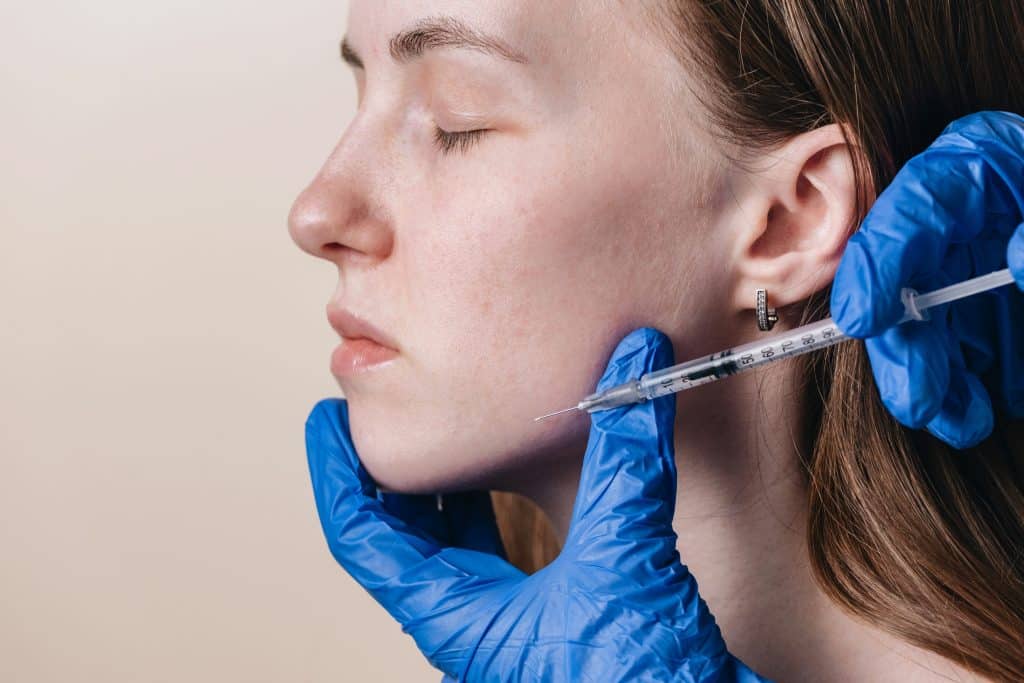
Thermage is a non-exfoliating, non-invasive facial rejuvenation treatment that uses radiofrequency to heat the deeper layers of the skin, stimulating new collagen production. This tightens and smooths the skin on the face and neck, improving contours without surgery or downtime. Unlike lasers, Thermage is safe for all skin types, and results are often immediate and long-lasting. It’s commonly combined with Botox and other anti-aging techniques for enhanced, natural-looking rejuvenation.
Esthetic & Cosmetology Treatments
Other esthetic treatments may include waxing, unwanted hair removal, and targeted skin smoothing treatments. These are often done by licensed estheticians and may use techniques like chemical peels or IPL to correct skin color, texture, or remove skin growths linked to medical conditions or sun exposure.

How to Choose the Best Skin Treatment for You
When choosing a skin treatment, consider your goals, skin type, and any underlying medical conditions. Consulting with a provider ensures you get treatment options best suited to your needs and whether you’re a good candidate for advanced procedures or if over-the-counter skincare products are sufficient.
Professional vs. At-Home Skin Treatments
While some skin care routines can be maintained at home, professional skin resurfacing, chemical peels, and dermal fillers deliver more noticeable, long-term results. These should be administered in a clinical setting by trained professionals to ensure safety and effectiveness.
FAQs About Skin Treatments
What’s the best treatment for aging skin?
Anti-aging skin therapies like Thermage, Botox, and dermal fillers are among the most effective treatments to reduce the natural effects of aging.
Can you do chemical peels at home?
Some mild peels are available for at-home use, but stronger more effective chemical peels require specialized skills and should always be done by professionals.
What treatment is best for acne scars?
Treatments like microdermabrasion, laser resurfacing, and IPL are highly effective for reducing visibility of acne scaring.
Do all treatments require downtime?
Many of the treatments provided, such as blue light therapy and dermaplaning, are quick with little to no downtime.
Ready to refresh your skin? Consult a skincare professional to explore the best options for your youthful appearance.