
In the pursuit of youthful, radiant skin, Botox injections and dermal fillers have become two of the most popular cosmetic use treatments worldwide. Botox is a well-known brand of botulinum neurotoxins used in cosmetic treatments. These minimally invasive procedures promise to reduce facial wrinkles, enhance facial features, and restore lost volume with little to no downtime. However, while Botox and fillers may seem like quick and easy fixes, they are not without risks.
If not administered correctly or if a person has an allergy, pre-existing health conditions, or experiences an adverse reaction, the consequences can range from common side effects to severe adverse effects and long-term complications. Botulinum toxin injections should only be administered by licensed providers who are trained in how to inject botulinum toxin products safely.
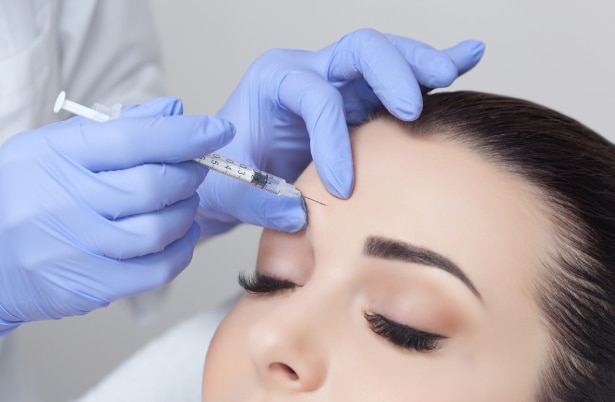
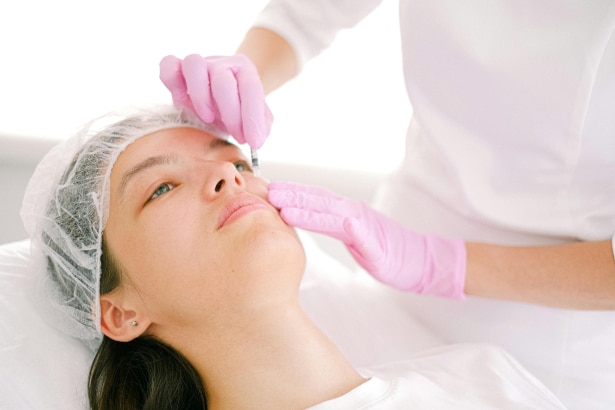
What are Botox and Fillers?
Before diving into the risks, it’s essential to understand what
Botox and dermal fillers are and how they work. Individuals who have had an allergic reaction to any botulinum toxin product, including other brands like Myobloc and Dysport, should avoid receiving Botox.
Botox and Botulinum
Toxin Injections
Botox (Botulinum toxin) is a neurotoxin derived from Clostridium botulinum, similar to tetanus toxin, that temporarily paralyzes the injected muscles, by blocking neurotransmitters released at the nerve terminals, preventing them from contracting and causing facial lines and wrinkles. It’s most commonly used to treat forehead muscles, crow’s feet, and frown lines between the eyebrows. Botox is also used for medical purposes, such as treating migraines.
Botulinum toxin injections also have therapeutic applications and are FDA-approved for treating a number of issues such as chronic migraine, overactive bladder, urinary incontinence, neck spasms, and cerebral palsy. There is also Botox treatment for TMJ, a condition that is associated with chronic jaw tension and pain. These injections are effective for various conditions involving involuntary muscle activity and dynamic wrinkles. Other uses include managing symptoms of Lambert-Eaton syndrome and certain nerve conditions. Brand-name alternatives include Xeomin and Dysport.
How Botox Works:
Understanding the Science Behind Botox
Botox is a neurotoxin protein derived from the bacterium Clostridium botulinum. It works by temporarily blocking nerve signals that cause muscle contractions. When Botox is injected into a muscle, it binds to the nerve endings and prevents the release of a chemical messenger called acetylcholine. This blocks the signal that tells the muscle to contract, resulting in a relaxation of the muscle.
The mechanism of Botox involves several steps:
- Binding: Botox binds to the nerve endings, specifically to the presynaptic terminals.
- Internalization: The Botox molecule is internalized into the nerve terminal.
- Cleavage: The Botox molecule is cleaved into two fragments, a light chain and a heavy chain.
- Inhibition: The light chain fragment inhibits the release of acetylcholine, preventing muscle contraction.
By understanding how Botox works, you can better appreciate its effects on reducing facial wrinkles and treating various medical conditions.


Dermal Fillers and Hyaluronic Acid
Dermal fillers are intradermal injectable substances designed to restore volume, smooth out facial wrinkles, and enhance facial contours. Unlike Botox, which affects muscle movement, by targeting muscle relaxants, fillers work by plumping up the skin.
The most common types of fillers include:
- Hyaluronic Acid (HA) Fillers – Popular brands include Juvederm and Restylane. These HA fillers add volume and hydration to the skin.
- Calcium Hydroxylapatite (CaHA) Fillers – Brands like Radiesse use this substance to stimulate collagen production.
- Poly-L-lactic Acid Fillers – These fillers, such as Sculptra, also stimulate collagen production and provide long-lasting effects.
- Permanent Fillers – Some fillers, like silicone injections, offer permanent results but come with higher risks.
While these treatments have gained widespread popularity, it’s crucial to acknowledge the potential dangers they pose.
The Risks of Botox
1. Bruising and Swelling
Mild bruising, localized pain and swelling at the injection site are common side effects and usually temporary. However, in some cases, excessive bruising can occur, particularly if the patient is taking over-the-counter blood thinners or has a history of easy bruising.
2. Droopy Eyelids (Ptosis)
If Botox spreads beyond the intended facial muscle, it can lead to drooping eyelids or eyebrows. This side effect can last for weeks or even months, depending on how quickly the body metabolizes the toxin. In more severe cases, patients may experience vision problems, blurred vision, or double vision. Additionally, some patients may have trouble raising their eyebrows as a potential side effect.
3. Asymmetry
When Botox injections are not injected evenly or in the correct location, it can cause facial asymmetry, making one side of the face look different from the other. This can be particularly noticeable in areas like the eyebrows and lips.
4. Headaches and Flu-like Symptoms
Some individuals experience headaches, nausea, and flu-like symptoms after receiving Botox injections. These side effects are usually temporary, from a few days to a week, but can be uncomfortable.
5. Allergic Reactions
Although rare, some people can have an allergic reaction to Botox. Symptoms may include itching, rash, swelling, or difficulty breathing. Inform your healthcare provider if you have any history of drug or ingredient allergy prior to your procedure. If any of these occur, immediate medical attention is required.
6. Difficulty Swallowing or Breathing
In rare cases, Botox can cause botulism-like symptoms, spreading beyond the injection site and affecting the muscles causing difficulty swallowing, trouble breathing, and slurred speech. This is more likely to occur when Botox is administered in higher doses or in sensitive areas such as the neck.
7. Resistance to Botox Over Time
Some individuals develop a resistance to Botox after repeated treatments due to antibodies that make the botulinum toxin less effective. This means they may no longer see the same results as before or may require higher doses to achieve the desired effect.
The Risks of Dermal Fillers
1. Swelling and Bruising
Like Botox, fillers can cause common side effects such as bruising and swelling at the injection site—especially with HA filler. While this usually subsides within a few days, it can be more severe in some cases.
2. Lumps and Nodules
Improper injection techniques or the use of certain fillers can result in lumps, bumps, or nodules under the skin. These can sometimes be dissolved with hyaluronidase (for hyaluronic acid fillers) but may require additional treatment if they persist.
3. Infection
Because fillers are injected directly into the skin, there is a risk of skin infection or, in rare cases, a deeper tract infection if proper hygiene is not maintained during the procedure. Signs of infection include redness, warmth, pain, and pus at the injection site. Antibiotics may be needed to resolve these issues.
4. Vascular Occlusion (Blocked Blood Vessels)
One of the most serious risks of fillers is vascular occlusion, which occurs when filler is accidentally injected into a blood vessel. This can block blood flow, leading to skin necrosis (tissue death), blindness, or stroke. Symptoms include severe pain, white or bluish skin discoloration, and immediate swelling. This is a life-threatening complication and must be treated immediately.
5. Overfilling and Overuse
Too much filler can lead to an unnatural or distorted facial expression, often referred to as the “pillow face” or “duck lips” effect. When fillers are overused, the face can lose its natural expressions and become disproportionate.
6. Migration of Filler
In some cases, filler can move from the original treatment area to other areas of the face, causing asymmetry or unwanted puffiness. This can be difficult to correct without additional treatments.
7. Granulomas and Immune Reactions
Some people may develop granulomas, which are an immune response causing inflammatory lumps that form in response to the filler material. These lumps or granulomas can occur months or even years after the injection and may require corticosteroid treatment or surgical removal.
8. Allergic Reactions
Although rare, some individuals may have allergic reactions to certain filler ingredients, resulting in swelling, redness, itching, and skin irritation.
How to Minimize the Risks
If you’re considering Botox or fillers, there are steps you can take to reduce the likelihood of complications:
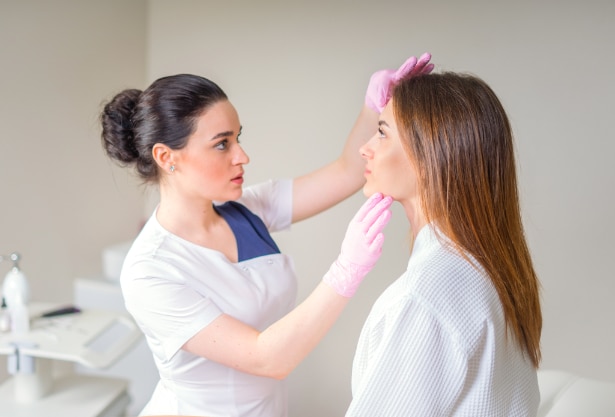
- Choose a Qualified Injector – Always go to a licensed and experienced professional, such as a board-certified dermatologist or plastic surgeon. Avoid unqualified practitioners offering cheap treatments.
- Do Your Research – Learn about the product being injected, its ingredients, and potential risks before undergoing treatment.
- Ask About Emergency Protocols – A skilled injector should know how to handle complications, such as vascular occlusion, and have the necessary tools to address them immediately.
- Avoid Blood Thinners Before Treatment – If possible, avoid aspirin, ibuprofen, and other blood-thinning medications a few days before your appointment to minimize bruising.
- Follow Post-Treatment Care Instructions – Adhering to aftercare guidelines, such as avoiding strenuous activity and not touching the treated area, can help prevent complications.


Who Should Avoid Botox
and Fillers?
Botox and fillers are not suitable for everyone. Certain individuals should avoid these treatments, including:
- Pregnant or breastfeeding women
- People with certain medical conditions, such as myasthenia gravis, Lou Gehrig’s disease, or Lambert-Eaton syndrome
- Those with a history of allergic reactions to botulinum toxin or other ingredients in Botox
- Individuals with skin infections or other conditions that may affect the injection site
- People taking certain medications, such as blood thinners or muscle relaxants
It’s essential to consult with a qualified healthcare provider to determine if Botox or fillers are right for you. They will assess your individual needs and medical history to ensure safe and effective treatment. By understanding who should avoid these treatments, you can better navigate your options and make a safer choice.
Managing Complications and Serious Adverse Effects
If you notice unusual symptoms following Botox or filler treatments, act quickly:
- Contact Your Healthcare Provider Immediately – Seek care for signs like breathing problems, decreased eyesight, neck pain, or severe swelling.
- Know the Reversal Options – HA fillers can often be dissolved using hyaluronidase. There are no reversal options for poly-L-lactic or permanent fillers.
- Ask About Emergency Protocols – Your provider should be trained in managing serious side effects and adverse events. The U.S. Food and Drug Administration (FDA) guidelines are crucial for monitoring the safety and efficacy of Botox treatments.
- Document the Reaction – Take photos and note any symptoms to assist with evaluation or follow-up care.
- Review Medical History Before Treatment – Disclose any relevant medical conditions, including nervous system disorders or history of Lou Gehrig’s disease, as these can affect Botox safety. Also inform your provider if you’re pregnant, nursing (as botox passes into breast milk has not been studied), or taking any prescription medicine or muscle relaxants. Individuals who have had reactions to other botulinum toxin products, such as Myobloc, Dysport, or Xeomin, should avoid receiving Botox injections.

Making an Informed Choice
About Botox and Filler Risks
Botox and fillers can enhance one’s appearance when done correctly, but they are not without risks. From mild side effects like bruising to severe complications like vascular occlusion and nerve damage, it’s essential to be aware of the potential downsides before deciding to undergo treatment. By choosing a qualified professional, doing thorough research, and understanding your own health history, you can minimize the risks and make a safer, more informed decision.
Frequently Asked Questions
When administered properly, Botox is not considered damaging long-term—even after 10 or 20 years—but overuse or improper technique may lead to muscle weakness or resistance in rare cases.
If you stop using Botox, treated muscles will gradually regain movement, and lines or wrinkles may slowly return to their original appearance over several months.
A leading alternative to Botox is Xeomin®: What is it and How Xeomin® Compares to BOTOX®, a purified botulinum treatment that provides similar wrinkle-reducing results with no added proteins.
Botox can be safely started in the mid-to-late 20s for preventative use, though most people begin treatment in their 30s or 40s based on visible expression lines.
Fillers generally carry a slightly higher risk profile than Botox due to potential complications like vascular occlusion, though both are considered safe when