
Botox® is a widely used injectable treatment that temporarily relaxes facial muscles to reduce the appearance of fine lines and wrinkles. It’s one of the most popular non-surgical cosmetic procedures in the world and is commonly used to smooth areas like the forehead, crow’s feet, and frown lines. Administering Botox® safely and effectively requires a deep understanding of facial anatomy, dosage, and injection techniques, which is why specialized training and medical credentials are essential before offering this service to clients.
Steps to become a certified Botox injector
- Meet the requirements for injecting cosmetic injectables – Only a licensed medical professional such as a doctor, physician’s assistants, nurse practitioners or registered nurses is permitted to administer cosmetic injectables such as Botox injections or Dermal Fillers. You need to provide a relevant medical degree and transcripts in order to enroll in a Botox® or Dermal Filler certification course.
- Enroll in a Dermal Filler or Botox Certification Course – Enroll in a Botox® or dermal filler certification course from a reputable, accredited institution like the American Academy of Facial Esthetics. Botox® and dermal filler training programs that offer clinical, hands-on teaching for the necessary skills are the most recommended courses. Clinical teaching helps with the hands-on techniques of administering cosmetic injections. It is also recommended that you seek training from medical professionals with many years of experience in teaching Botox® esthetics.
- Complete Your Botox® Training and Earn Your Botox® Certification – Once you have enrolled in a Botox® training course from an accredited institute, complete all of the course requirements and CE/CME credits to earn your Botox® certification.
What are the educational requirements for administering botox Injections
Before even enrolling in a Botox® certification course, medical professionals must first complete years of formal education and clinical training. For physicians, this includes earning a medical degree (MD or DO), followed by residency. Nurse practitioners, physician assistants, and registered nurses also undergo extensive academic and clinical preparation, typically holding a bachelor’s or master’s degree in a healthcare field, with licensure to match. This foundational education ensures that Botox® injectors have a deep understanding of human anatomy, pharmacology, and patient safety—skills that are essential before pursuing advanced training in aesthetic medicine.
Professions Authorized to Administer Botox or Dermal Fillers:
Medical Doctors (MDs and DOs)
Fully licensed to prescribe and administer both Botox® and dermal fillers independently.Nurse Practitioners (NPs)
Can perform injections with or without physician oversight, depending on state regulations.Physician Assistants (PAs)
Typically allowed to inject under the supervision or delegation of a physician.Registered Nurses (RNs)
May administer Botox® and dermal fillers under supervision, depending on their state’s scope of practice laws.Dentists (DDS or DMD)
Authorized in many states to inject Botox® and fillers, especially in the context of dental or facial aesthetics.Licensed Practical Nurses (LPNs)
In most states, not permitted to perform injections unless explicitly allowed and under strict supervision.Other Medical Professionals
In rare cases, professionals like pharmacists or paramedics may qualify in certain jurisdictions, but this is uncommon and highly regulated.
Scope of practice laws vary. Always verify your specific state or region’s licensing board requirements before offering injectable services.
Are you a medical professional looking for additional training?
Are you a medical professional looking for additional training?
Botox Certification Requirements
Certification is the next step after obtaining an active medical license. To become certified in botulinum toxin administration, eligible professionals must complete an injectable certification program that includes both academic modules and hands on training in a clinical setting. These courses typically cover botox works by blocking nerve signals, proper dosing, possible adverse reactions, and treatment techniques. For those seeking combined training in Botox® and dermal fillers, many programs are designed specifically to address both areas. Certification also improves your chances of building a successful career in medical spas, private practice, or aesthetic clinics.
Are you a medical professional looking for additional training?
Proper training in complete facial esthetics is key in developing the necessary skills to administer injectables to patients and to satisfy state board and liability insurance requirements. When medical professionals participate in AAFE training, there is a very short learning curve due to your prior knowledge of facial anatomy. AAFE’s total facial esthetics courses allow medical professionals to become competent and confident in immediately incorporating facial esthetics into their practice by understanding the mechanisms of injectables, reviewing the facial expression muscles, indications, risks and benefits of these treatments, all within a hands-on training environment.
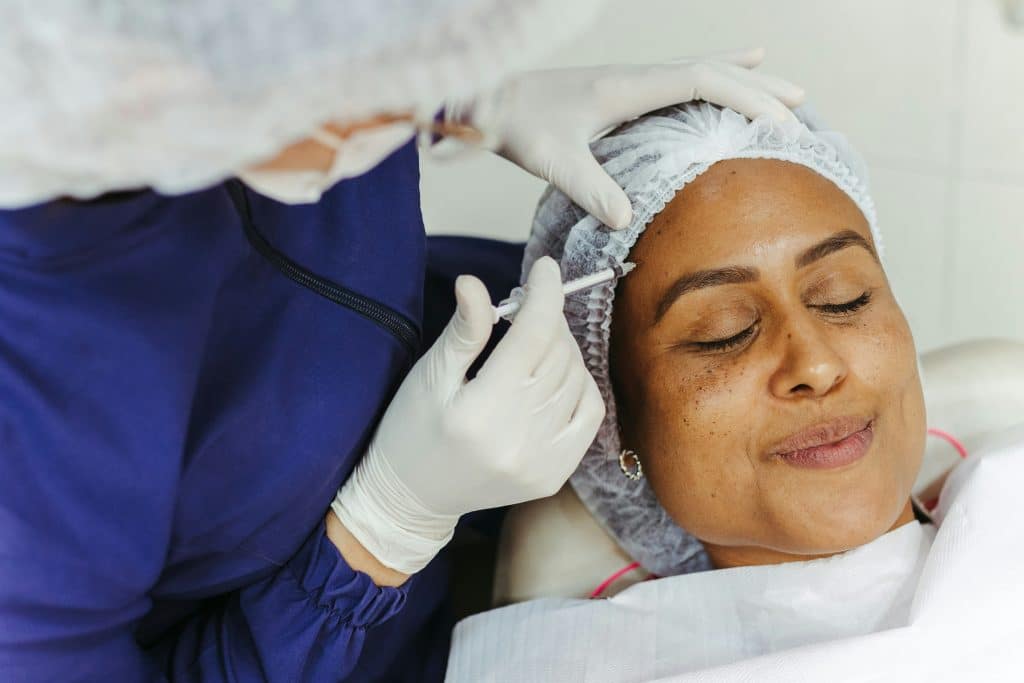
Continuing Education and Staying Updated in Aesthetic Medicine
The American Academy of Facial Esthetics specializes in Botox® training and Dermal Filler Training for Physicians (MD & DO), Registered Nurses (RN), Nurse Practitioners (NP), Physician Assistants (PA), and Dentists (DDS & DMD) in all areas of facial esthetics, focusing particularly on wrinkle treatments. We offer the most comprehensive Botox® and Dermal Filler training in our Level 1 Course that includes live, hands-on patient training. We also offer the most comprehensive Level II Botulinum Toxin and Level II Dermal Fillers courses after completion of the Level 1 course. We have trained thousands of medical professionals: physicians, dentists, and nurses for proper Botox® and Dermal filler injections. Expand your practice and integrate injectables into your scope by attending a Botox® & Dermal Filler Training and Certification – Level 1 Course near you
FAQs About Botox Injector Qualifications
How many years does it take to become a Botox injector?
It depends on your medical background. For example, a physician typically completes 8–12 years of education and training, while nurses and physician assistants complete 2–6 years, depending on their role.
If you're already a licensed medical professional, completing a Botox certification course can take anywhere from a weekend to a few weeks, depending on the program format and whether it includes both didactic and hands-on clinical training.
Can you be a Botox injector without being a nurse?
Yes, but you must still be a licensed medical professional. This includes roles like physicians, physician assistants, and in some cases, dentists, depending on your state’s regulations.
How much do you make injecting Botox?
Earnings can vary widely based on experience, location, and whether you work for a practice or operate your own. On average, Botox injectors in the U.S. can earn $60,000 to over $150,000 annually, with higher earnings possible in private practice or med spas.
Can you do Botox as an esthetician?
No. In the U.S., estheticians are not permitted to inject Botox, as it’s considered a medical procedure. Only professionals with a valid medical license can perform these injections.
What are the risks of Botox?
The Risks of Botox include, Mild bruising, localized pain and swelling at the injection site are common side effects and usually temporary. However, in some cases, excessive bruising can occur, particularly if the patient is taking over-the-counter blood thinners or has a history of easy bruising.