Summary
Becoming certified in medical aesthetics requires an active professional license, procedure-specific education, hands-on clinical training, and compliance with state scope-of-practice and supervision rules. Eligible providers may include physicians, dentists, nurse practitioners, physician assistants, registered nurses, and—in more limited supervised roles—LPNs or LVNs. Foundational training commonly covers Botox, dermal fillers, chemical peels, and laser procedures, while advanced certifications may include PRP, microneedling, body contouring, and complex injectable techniques. Providers should also maintain CPR or BLS certification, complete continuing education, and regularly verify state regulations because course certificates alone do not automatically grant legal authority to perform every aesthetic procedure.
The field of medical aesthetics is a rapidly expanding area within healthcare, blending science, medicine, and artistry to enhance patients’ appearance and confidence through non-surgical cosmetic treatments. As demand for procedures like Botox injections, dermal fillers, chemical peels, and laser treatments grows, so too does the importance of proper training and certification. Medical aesthetic certifications not only ensures patient safety and practitioner competency but are also critical for legal compliance and professional credibility. This article explores the key certifications needed in medical aesthetics, varying by profession and jurisdiction, and discusses the significance of ongoing education in this evolving industry.
Introduction to Medical Aesthetics
Medical aesthetics is an exciting and rapidly expanding field that bridges the gap between beauty and healthcare, offering specialized skin care services to a diverse range of patients. Medical estheticians, also known as skincare specialists, play a vital role in medical spas, clinics, and even hospitals, where they help patients achieve healthier, more radiant skin through advanced treatments. As the beauty industry continues to evolve, the demand for non-invasive and minimally invasive medical treatments has soared, making medical aesthetics a sought-after career path.
To become a medical esthetician, individuals must complete formal medical training and obtain the appropriate license to practice. Medical esthetician schools provide comprehensive programs that blend classroom instruction with hands-on practice and clinical training. These programs are designed to equip students with the necessary skills and knowledge to perform a variety of treatments safely and effectively. Whether working in a bustling clinic or a serene medical spa, medical estheticians are at the forefront of helping patients look and feel their best, making this a rewarding and impactful profession.
Who Can Perform Medical Aesthetic Procedures?
The first step toward entering the field of medical aesthetics is obtaining a basic medical or nursing license. Depending on the specific role a person wishes to pursue, they must be licensed as one of the following:
- Medical Doctor (MD) or Doctor of Osteopathic Medicine (DO): Physicians can offer the full range of medical aesthetic services, including injections, laser therapies, and minor surgeries.
- Nurse Practitioner (NP) or Physician Assistant (PA): NPs and PAs can perform most aesthetic procedures under physician supervision or independently, depending on state regulations.
- Registered Nurse (RN): RNs can administer injectables and assist in a wide range of procedures under supervision.
- Licensed Practical Nurse (LPN)/Licensed Vocational Nurse (LVN): LPNs/LVNs have more limited roles in medical aesthetics and typically require supervision for most procedures.
- Dentists (DDS or DMD): In most states, dentists are authorized to perform aesthetic procedures involving the face and mouth, such as Botox or fillers.
Each role must meet specific state licensing requirements before performing medical aesthetic procedures. Medical professionals must be in good standing with their licensing boards and have a valid, active license in the state where they practice. To legally perform cosmetic procedures, providers must complete procedure-specific training and, in many cases, obtain additional certification.

Required Training and Certification for Medical Aesthetics
Once licensed, aspiring aesthetic practitioners typically complete foundational training in medical aesthetics. These introductory certification courses cover the basics of common non-invasive cosmetic procedures and are often prerequisites for more advanced training. A medical aesthetician certification is often required for those seeking to specialize in non-invasive cosmetic procedures. Topics include:
- Botulinum Toxin (Botox) Certification: Teaches the principles of facial anatomy, safe injection techniques, patient selection, and adverse effect management.
- Dermal Filler Certification: Covers the use of fillers like Juvederm or Restylane to restore facial volume, including injection techniques and complication management.
- Chemical Peel and Skin Resurfacing Certifications: Trains practitioners in the application of chemical solutions for skin rejuvenation and acne treatment.
- Laser and Light-Based Therapy Certification: Provides instruction on devices such as IPL (intense pulsed light), laser hair removal, and laser skin resurfacing.
These certifications are typically offered by accredited organizations, aesthetic training institutes, or continuing education programs. Medical aesthetician certification courses may cover facial anatomy, injection techniques, complication management, and post-procedure care. Course lengths range from one-day workshops to multi-week programs.
Gaining Practical Experience
Practical experience is a cornerstone of success for medical estheticians, providing the confidence and competence needed to excel in the field. Most medical esthetician programs include hands-on training and clinical practice, where students work alongside licensed estheticians and medical professionals in real-world settings. This exposure allows students to refine their skills, learn best practices, and understand the nuances of patient care in medical spas and clinics.
Beyond formal education, internships and apprenticeships offer additional opportunities to gain practical experience and broaden one’s understanding of aesthetic medicine. Organizations such as the American Association of Aesthetic Medicine and Surgery (AAAMS) provide specialized training and certification programs, including online courses and hands-on trainings, to help medical estheticians further develop their expertise. By actively seeking out practical experience and demonstrating competency, aspiring medical estheticians lay the groundwork for a successful career in medical aesthetics, ensuring they are well-prepared to assist patients and deliver high-quality skin care services
Advanced Certifications and Specialty Training
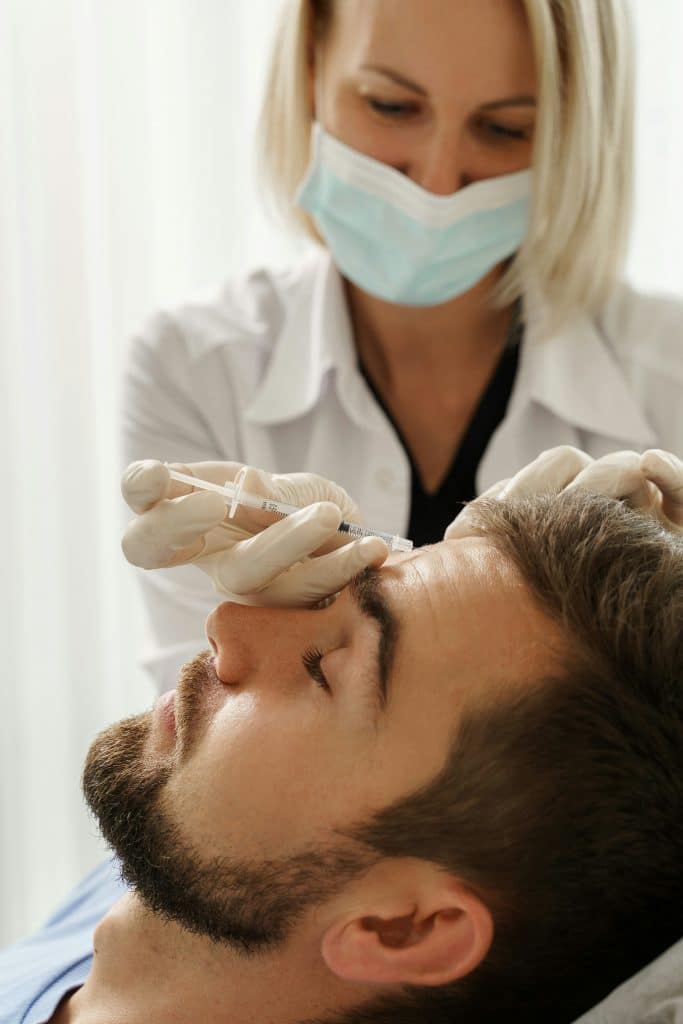
To expand their scope of practice and skill set, practitioners often pursue specialized certifications. These build on foundational knowledge and offer more in-depth training in specialized procedures, including:
- Advanced Botox and Filler Techniques: Includes tear trough injections, jawline contouring, non-surgical rhinoplasty, and more complex facial sculpting techniques.
- Platelet-Rich Plasma (PRP) Therapy Certification: Covers the use of PRP in facial rejuvenation, hair restoration, and skin tightening.
- Microneedling Certification: Includes training on microneedling for collagen induction and its combination with PRP.
- CoolSculpting and Body Contouring Certifications: Focuses on non-invasive fat reduction technologies such as cryolipolysis and radiofrequency.
- Medical Aesthetic Laser Safety Certification: Emphasizes safety, regulations, and the physics of laser use, often required by employers or state law.
These certifications require practitioners to develop specialized knowledge in specific aesthetic procedures, which is essential for providing advanced treatments and working in medical or clinical settings.
These advanced courses typically include hands-on practice, live demonstrations, and clinical assessments to ensure competency; these assessments are designed to demonstrate competency in advanced procedures.
State Licensing and Legal Requirements
In the U.S., certification requirements vary significantly by state. Each state’s medical board, nursing board, or cosmetology board sets its own regulations regarding who can perform medical aesthetic procedures and under what conditions. These regulations include specific licensing requirements for each type of practitioner. Some states require:
- Medical Director Supervision: Non-physician practitioners may need a medical director to oversee certain procedures.
- Laser Technician Licensure: Some states require laser technicians to be licensed or certified through state-approved programs.
- Delegation Laws: practitioners must understand the delegation laws which define who can perform procedures like Botox or laser treatments and whether supervision is required.
For example, in some states, nurse practitioners can perform aesthetic injections independently, while in others, they must work under a supervising physician or medical director. Similarly, laser treatments may only be legally performed by physicians or designated licensed professionals who have completed an approved laser safety course.
Practitioners must understand and comply with their state’s scope of practice laws, as practicing outside legal bounds can lead to disciplinary action, fines, or loss of license.
CPR/BLS Certification
Although often overlooked, Basic Life Support (BLS) or CPR certification is a crucial requirement for any medical aesthetic provider. Aesthetic treatments, though generally low-risk, can result in medical emergencies such as anaphylaxis or vascular occlusion. A current CPR/BLS certification ensures medical aestheticians are prepared to respond appropriately in emergencies.
Board-Level Certification and National Memberships
While not always required, national board certifications and affiliations with recognized professional organizations can add substantial value to a practitioner’s credentials. These include:
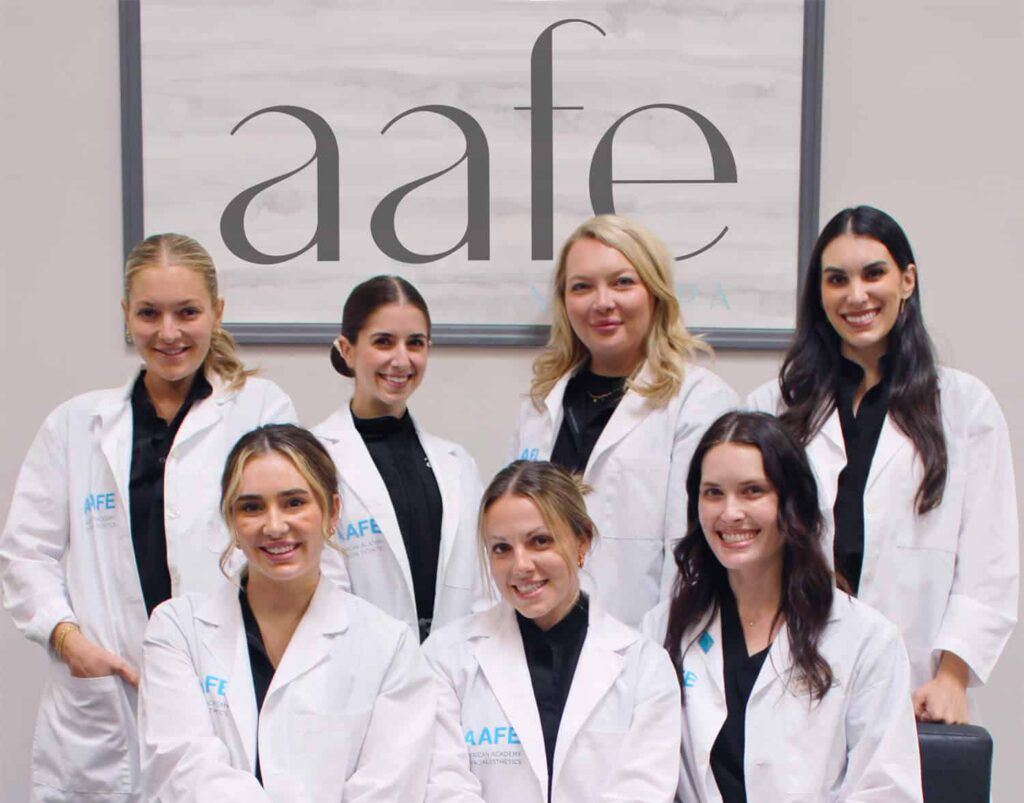
- American Academy of Facial Esthetics (AAFE)
- The American Board of Aesthetic Medicine (ABAM)
- The American Academy of Aesthetic Medicine (AAAM)
- The International Association for Physicians in Aesthetic Medicine (IAPAM)
- The Aesthetic Multispecialty Society (AMS)
Joining a national coalition, such as the National Coalition of Estheticians, can provide access to advanced certifications and professional development opportunities.
These organizations offer advanced certifications, continuing education opportunities, and access to global best practices. Board certification typically requires completing a series of approved courses and passing a written or practical examination.
How Long Does It Take to Become Certified?
The duration of training depends on the procedures and the professional’s background. For example:
- Botox and filler certification courses can typically be completed in 1 to 2 days, but must include hands-on injection practice under supervision.
- Laser safety and cosmetic dermatology courses may take several days to weeks, depending on state requirements and device-specific training.
- Comprehensive aesthetic medicine programs that cover multiple modalities (neuromodulators, fillers, lasers, PRP, threads, etc.) can span several weeks or months and often include clinical practicums.
Ongoing education is expected, and many providers attend annual refresher courses or conferences to stay current on best practices and technologies.
Continuing Education Requirements
Medical aesthetics is a constantly evolving field. New technologies, products, and protocols emerge frequently, making continuing education (CE) essential—and often mandated.. Many states require licensed professionals to complete CE hours to renew their licenses. Moreover, staying current with aesthetic trends enhances patient care and business success.
Practitioners can fulfill these CE requirements through:
- Conferences (e.g., AMWC, Vegas Cosmetic Surgery)
- Online CE platforms
- In-house training programs
- In person trainings
- Peer-reviewed medical journals and webinars
These opportunities keep providers up to date on anatomical techniques, new injection products, complication protocols, and emerging technologies.
Conclusion
The path to becoming a certified professional in medical aesthetics involves more than just medical licensure—it requires a commitment to continuous learning, hands-on training, and compliance with regulatory standards. Foundational and advanced certifications, CPR/BLS, and adherence to state-specific laws are essential components of professional practice. Additionally, board certification and ongoing education further establish a practitioner’s reputation and competency in the field. As the industry grows and evolves, so too must the qualifications of those within it, ensuring that patient care remains safe, ethical, and effective.
Whether you’re a physician expanding your scope or a nurse entering aesthetic medicine, proper certification is key to building trust, protecting patients, and growing a successful career in this high-demand field.

Frequently Asked Questions
More Information