
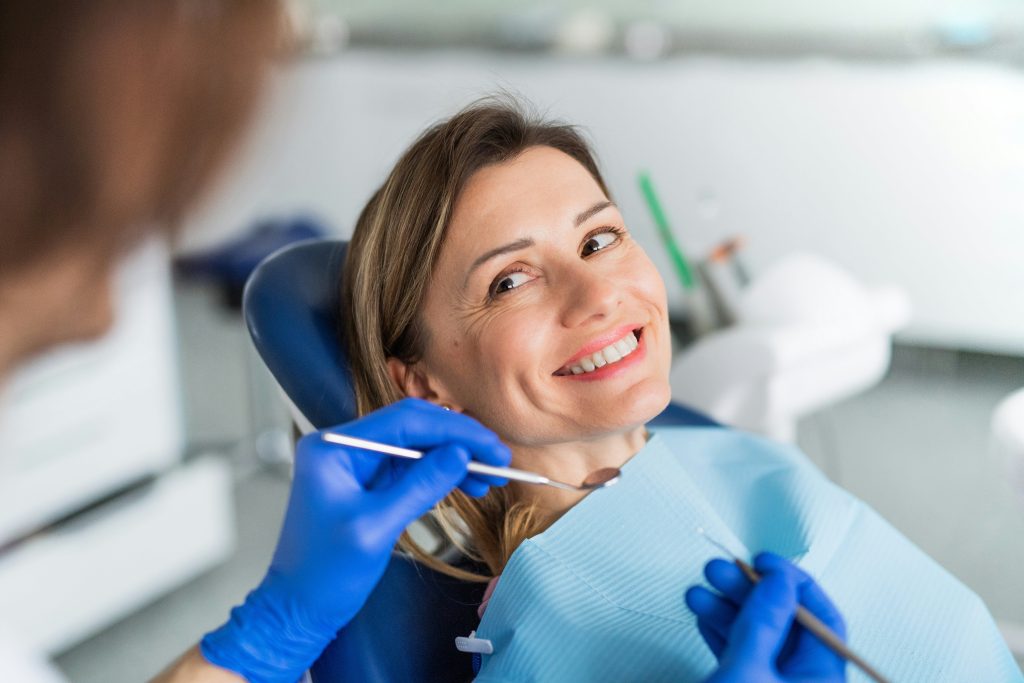
Botulinum toxin, widely recognized under the trade name Botox, has revolutionized not only cosmetic procedures but also the world of dentistry. While plastic surgeons often get credit for facial enhancements, today, an increasing number of dental professionals are turning to Botox to enhance patient outcomes—from alleviating pain to improving facial esthetics.
As the dental industry evolves, Botox dentists are becoming key providers of both therapeutic uses and cosmetic treatment, offering patients convenient, in-office solutions for common issues like TMJ disorders, bruxism, and facial wrinkles.
What Is Dental Botox?
Dental Botox refers to the use of botulinum toxin injections by dentists to treat a variety of conditions affecting the oral and facial structures. When injected into specific muscles, Botox blocks nerve endings, preventing them from sending signals that cause excessive muscle contractions.
While Botox is commonly used for cosmetic purposes, such as reducing crow’s feet or smile lines, its therapeutic applications in dentistry are increasingly valuable. Today, many dentists utilize Botox solely or alongside other procedures for both functional and aesthetic improvements.
Why Do Dentists Administer Botox?
Botox isn’t just for beauty. General dentists, oral surgeons, and specialists trained in facial anatomy are turning to Botox services to address:
- Jaw pain
- Teeth grinding (bruxism)
- Tension headaches
- TMJ dysfunction
- Gummy smiles
- Dynamic facial wrinkles
- Pre- and post-prosthodontic cases like dentures or dental implants
Because dentistry includes deep expertise in facial muscles, facial structures, and oral health, it makes sense that dental professionals are now using botox treatments as part of comprehensive dental care.
Who Can Administer Botox in Dentistry?
The ability to administer Botox depends on your location and your training. In the U.S., the state dental board governs what dental practices can do. In many states, general dentistry providers can use Botox injections as part of dental treatment for both functional and cosmetic purposes, as long as they’ve completed extensive training.
In some regions, only oral surgeons are allowed to offer Botox for stand-alone aesthetic use. Always verify that your provider is licensed, certified, and compliant with local regulations.
What Dental Conditions Can Botox Treat?
1. Temporomandibular Joint (TMJ) Disorders
One of the most well-known therapeutic uses of Botox in dentistry is for managing TMJ pain. The temporomandibular joint is responsible for jaw movement, and when it’s under stress, it can cause:
- Popping sounds
- Difficulty chewing
- Chronic jaw tension
- Facial pain
By relaxing the masseter and temporalis muscles, Botox can dramatically alleviate pain and improve mobility. Studies show that up to 90% of patients report successful treatment outcomes with reduced symptoms.
2. Bruxism (Teeth Grinding)
Bruxism is a condition that involves clenching or grinding the teeth, typically at night. It can wear down otherwise healthy dentition, lead to fractured dental restorations, and contribute to facial pain.
Botox relaxes the jaw muscles, preventing destructive grinding without interfering with chewing. This makes it a minimally invasive alternative to mouthguards or surgical options.
3. Facial Pain and Tension Headaches
By reducing muscle tension, Botox helps with chronic pain in the face and head. Tension headaches linked to dental issues can also be managed effectively by injecting small amounts of botulinum toxin into overactive areas.
Cosmetic Dentistry and Botox
While cosmetic dentistry has traditionally focused on teeth whitening, veneers, and smile design, many practices now offer Botox to enhance results and support facial esthetics.
Popular Cosmetic Uses:
- Gummy Smile Correction: Botox can reduce upper lip elevation, minimizing visible gum tissue and improving the look of the mouth during a smile.
-
Fine Lines and Wrinkles: Botox smoothens facial wrinkles around the mouth, chin, and jawline, complementing dermal fillers and other cosmetic treatments.
-
Jawline Contouring: Reducing activity in the masseter muscle can slim the lower face, enhancing the natural contours of the face for a more youthful appearance.
This combination of Botox and dermal fillers within the dental practice helps deliver complete aesthetic makeovers beyond the teeth.
How Long Do Dental Botox Results Last?
Most Botox injections begin to work within a few hours, with full effects appearing in 3–7 days. Results typically last:
-
3–4 months for therapeutic treatments (e.g., TMJ, bruxism)
-
3 months for cosmetic effects (e.g., wrinkles, gummy smile)
Repeat treatment sessions are necessary to maintain results, and your dentist may adjust dosing based on your muscle strength, treatment goals, and personal response.
What Can You Not Do After Botox?
Post-care is critical for a successful treatment. Patients should:
-
Avoid rubbing or massaging the injected areas
-
Stay upright for at least 4–6 hours
-
Avoid strenuous activity for 24 hours
-
Delay intensive dental procedures like cleanings or impressions for 48 hours
Timing Considerations: Botox and Dental Work
Why shouldn't you have dental work immediately before Botox?
Aggressive manipulation of facial muscles (as in certain dental procedures) can cause the injected botulinum toxin to migrate, reducing the effectiveness or precision of the treatment.
How long should you wait after dental work?
-
Wait at least 48 hours after Botox to undergo dental treatments.
-
After dental work, it’s recommended to wait 2–3 days before receiving Botox.
Cost and Insurance: What Should Patients Expect?
How Much Does Dental Botox Cost?
Pricing varies based on condition, provider, and location:
-
Bruxism treatment: $300–$700 per session
-
Gummy smile correction or cosmetic Botox around the mouth: $200–$500
-
Combination Botox and dermal filler treatments may increase cost
Most patients need touch-ups every 3–4 months.
Is Botox Covered by Insurance?
-
Cosmetic Botox is usually not covered.
-
Therapeutic Botox, when used for TMJ pain, chronic migraines, or facial pain, may be covered by medical insurance, not dental insurance.
Patients should verify coverage in advance. Pre-authorization and a diagnosis may be required.
Comparing Botox to Other Dental Injections
What Do Dentists Inject for Pain?
-
Lidocaine and articaine: Short-term numbing agents
-
Steroids: Occasionally used for inflammation
-
Botox: Used to reduce chronic tension and persistent nerve pain
Botox offers a longer-term solution without the systemic side effects of medication.
What’s the Most Painful Injection at the Dentist?
Many patients report that the palatal injection, delivered to the roof of the mouth, is the most uncomfortable. However, this has nothing to do with Botox, which uses fine needles and causes minimal discomfort.
Why Dental Botox Is on the Rise
With a growing body of research and expanded training programs, more Botox dentists are delivering meaningful results that go far beyond wrinkle treatment. By blending esthetics and oral health, they’re helping patients:
-
Feel better
-
Sleep better
-
Smile more confidently
Best of all, Botox offers a non-surgical, low-risk option that works within the workflow of modern dental care.
Final Takeaway
With a growing body of research and expanded training programs, more Botox dentists are delivering meaningful results that go far beyond wrinkle treatment. By blending esthetics and oral health, they’re helping patients:
-
Feel better
-
Sleep better
-
Smile more confidently
Best of all, Botox offers a non-surgical, low-risk option that works within the workflow of modern dental care.