Bootox & Treat - Save Up to $500 on AAFE Training
Choose your course or Flex bundle, lock in your savings, and train on your timeline.
OCTOBER 19–31 ONLY!


If you are a licensed medical professional in Michigan, Botox and dermal filler training can open the door to new revenue, stronger patient demand, and greater career flexibility. The key is getting trained the right way with a program that prepares you to inject safely, confidently, and in line with Michigan requirements.
Reach out to our team for more information!
In Michigan, Botox and dermal filler treatments are regulated injectable procedures. Eligible providers generally need the correct healthcare license, proper training, and authority to perform the treatment within their scope of practice. Michigan also places limits on where these injections may be performed and prohibits authorized injectors from delegating Botox or filler injections to people who are not allowed to perform them.
Michigan does not establish one universal Botox certification course or minimum number of training hours that applies to every healthcare profession. Instead, a provider’s authority to perform Botox depends on their underlying professional license, scope of practice, education, competency, prescribing authority, and any applicable supervision or delegation requirements.
A strong Michigan Botox training course should cover facial anatomy, patient evaluation, indications and contraindications, botulinum toxin pharmacology, product preparation, injection technique, informed consent, documentation, infection control, adverse-event recognition, and complication management. Hands-on clinical instruction is particularly valuable because injectable treatment requires both anatomical knowledge and practical competency.
For dentists, Michigan provides particularly clear guidance. A licensed dentist must be properly trained in Botox or dermal filler use, and the procedure itself must remain within the statutory practice of dentistry. Michigan specifically states that Botox or fillers used solely for cosmetic purposes unrelated to a disease, pain, deformity, deficiency, injury, or physical condition involving dental structures would not be appropriate under a dental license.
Nurses are governed through Michigan’s broader nursing scope and delegation framework rather than a Botox-specific certification rule. RN practice involves substantial specialized knowledge and skill in patient care and treatment, while LPN practice must occur under supervision of an RN, physician, or dentist. Michigan also places responsibility on the delegating professional to determine whether a delegatee has the necessary education, training, and experience for a particular task.
For Michigan providers, completing a Botox training course can document clinical preparation, but a certificate by itself does not expand professional scope or create authority to prescribe or administer Botox.
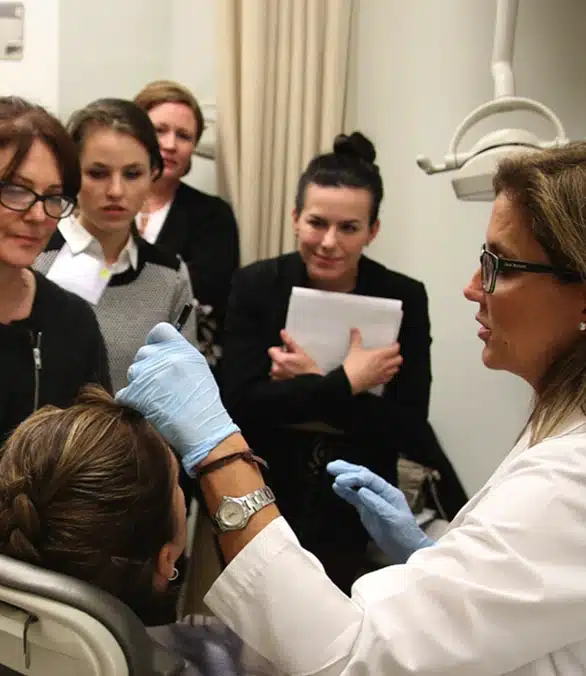
For the right provider, injectable training is not just another credential. It is a practical way to grow your services, expand your opportunities, and offer treatments patients are already searching for.
Adding Botox and dermal fillers can help you broaden your service offering, strengthen patient retention, and bring esthetic treatments into an already trusted clinical relationship.
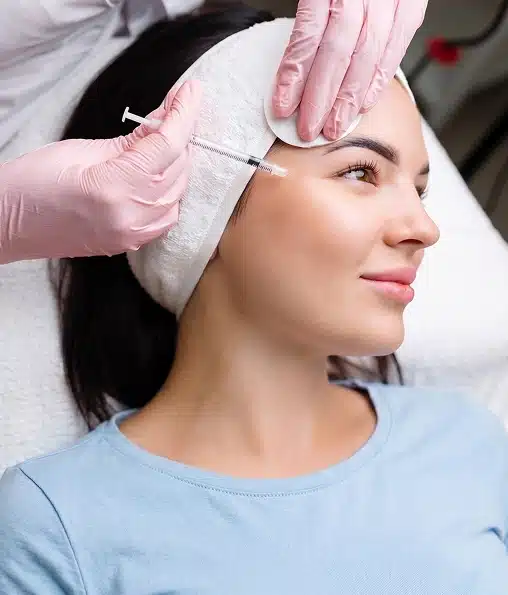
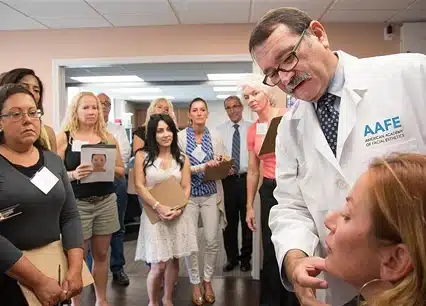
The best first step is building a strong clinical foundation. AAFE's Level 1 Botulinum Toxin & Dermal Fillers Certification is designed for licensed professionals who want to learn core injection skills in a structured, hands-on environment.
You will train on facial anatomy, patient consultation, safety protocols, and injection technique for some of the most-requested esthetic treatment areas. It is the kind of course that helps you move from interested to prepared.
When you enroll in AAFE's Level 1 course, you're not just learning injections — you're building the foundation to add high-demand esthetic services to your practice. Each course includes:
AAFE helps licensed medical professionals add injectables through training built for real clinical use. With 18+ years of experience, 20,000+ professionals trained, and one of the most recognized names in facial esthetics education, AAFE is trusted by clinicians who want more than theory.
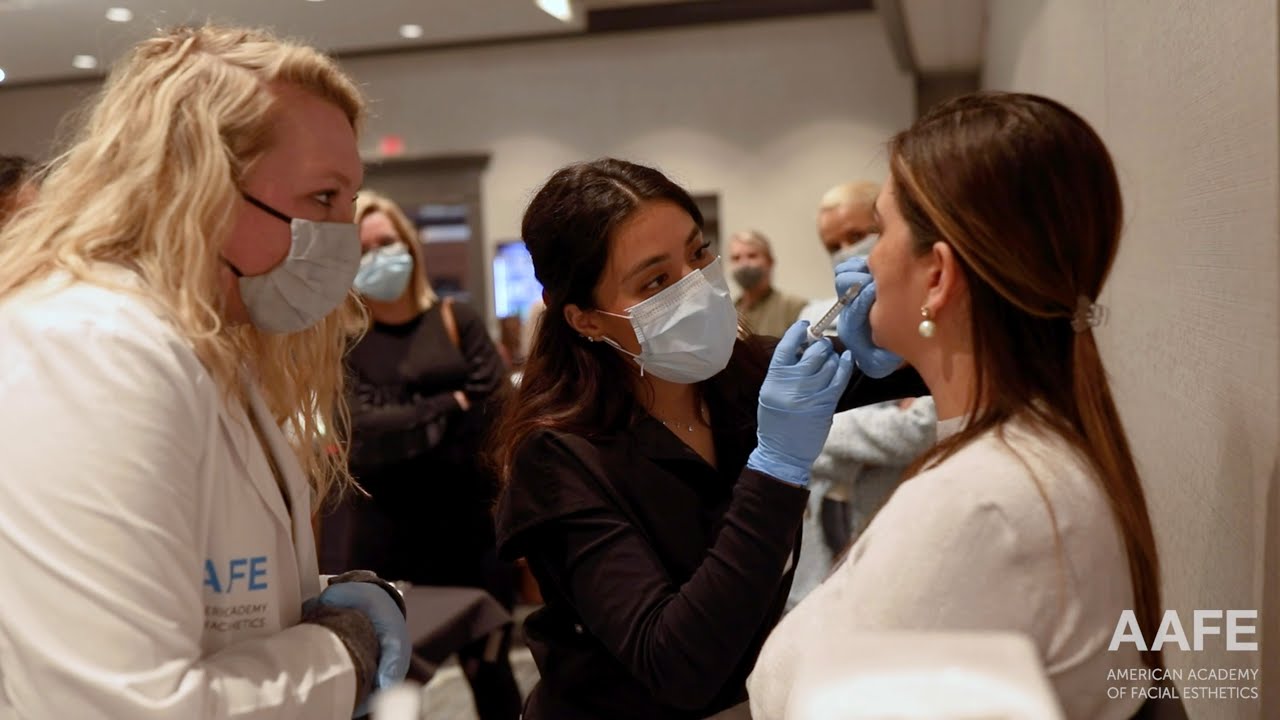
Through hands-on training, small-group clinicals, and real model experience, students learn from actively practicing injectors in a setting designed to build skill, safety, and confidence. Combined with nationally recognized certification, CE/CME opportunities, and ongoing support, AAFE gives medical professionals a clearer path to adding esthetic services in practice.
AAFE gives dentists a practical way to expand beyond traditional dentistry with training that fits the realities of a modern dental practice. Instead of generic aesthetics education, dentists get hands-on instruction built around treatment expansion, patient trust, and real clinical application.
What others are saying
AAFE provides nurse practitioners and registered nurses with clinically focused injectable training designed for real patient care. The program covers everything from facial anatomy to injection technique, giving nurses the confidence to expand their scope with safety and skill.
What others are saying
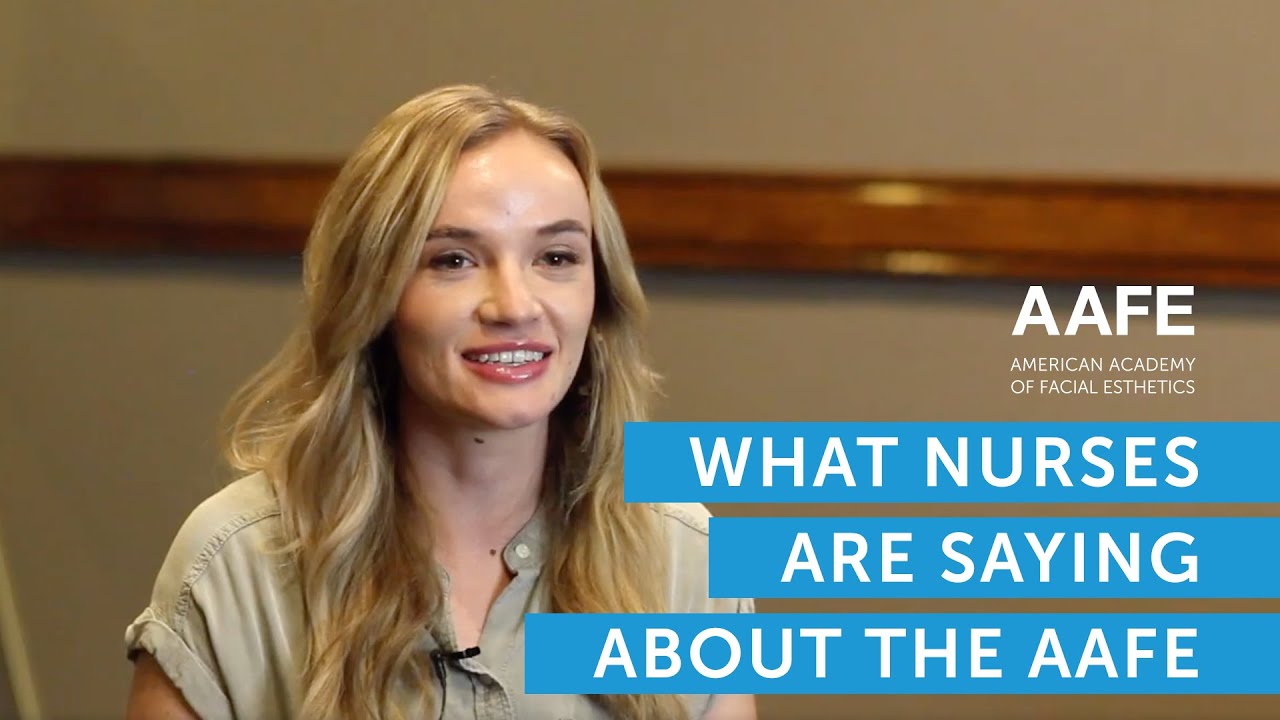
AAFE equips physicians with the clinical skills and business knowledge to integrate injectable treatments into their existing practice. Training is led by experienced practitioners and built around real-world protocols, not theory-based lectures.
What others are saying



"Being a member of AAFE has made a difference in my life!"
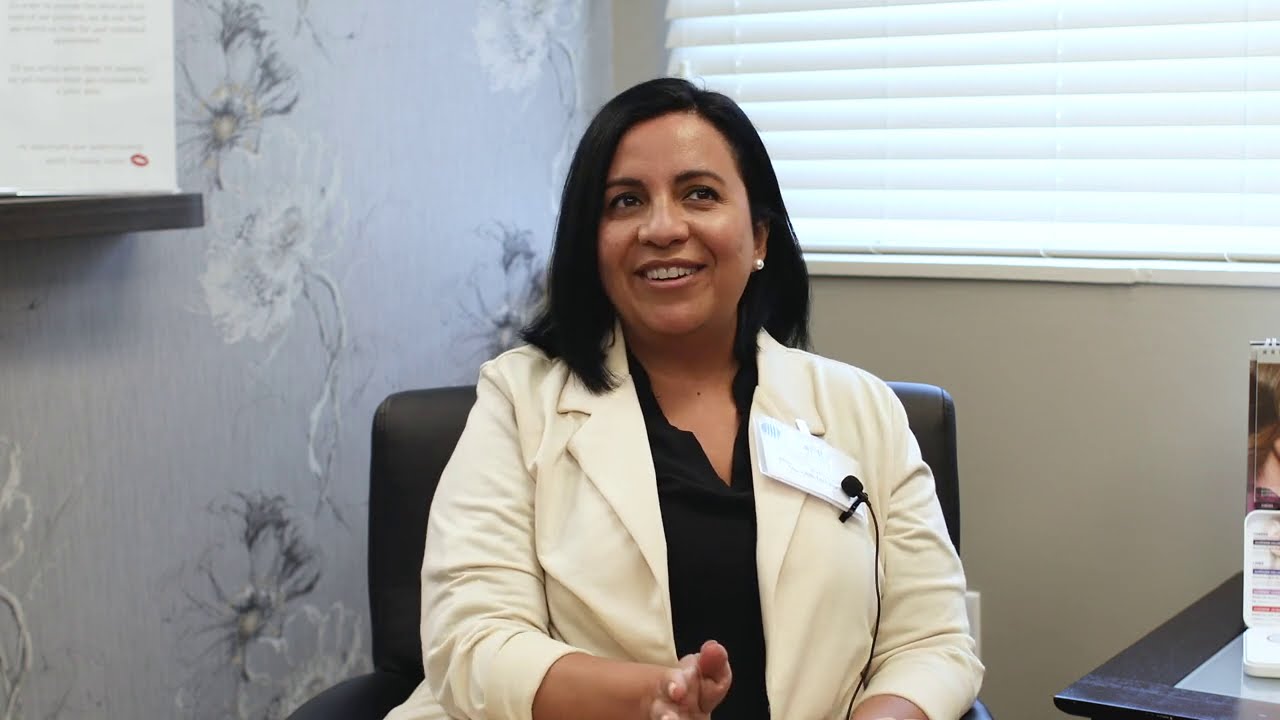
"It's given me confidence in doing injection and thread therapy and it really expanded my knowledge."
"Learning about injectables has completely changed my entire career!"
More questions about Michigan Botox certification? Submit your contact information below and an enrollment advisor will reach out soon with advice on how to get started.
Botox may be administered in Michigan by healthcare professionals whose license, scope, training, and practice arrangement authorize the procedure. Depending on the circumstances, this can include physicians, APRNs or nurse practitioners, physician assistants, registered nurses, and dentists when treatment falls within dental scope. Other practitioners require closer analysis of Michigan’s supervision and delegation rules.