Bootox & Treat - Save Up to $500 on AAFE Training
Choose your course or Flex bundle, lock in your savings, and train on your timeline.
OCTOBER 19–31 ONLY!


The laws regulating which medical professionals can inject botulinum toxin, dermal fillers, and other facial esthetic treatments varies by state. Click your state on the map below to see
Choose your state to review who may administer Botox, the training and certification considerations for licensed professionals, and the state boards or regulatory resources you should consult before providing treatment.
There is no single national Botox license. Each state determines how Botox administration fits within the scope of practice of its licensed professionals.
Requirements vary significantly by state and by license type. A physician, dentist, NP, RN, and PA are subject to different rules concerning prescribing, patient evaluation, delegation, supervision, training, documentation, and permitted treatment areas.
The laws regulating dentists administering Botox vary dramatically from state to state. Some dental boards address therapeutic and cosmetic uses differently, require approved postgraduate education, or connect treatment to the legally defined scope of dentistry.
We’ve trained more than 28,000 providers since 2007. Our state guides are designed to help you understand the laws in your state, but we are not legal experts. So consult with your local medical, dental, or nursing board to confirm your eligibility before committing to training.
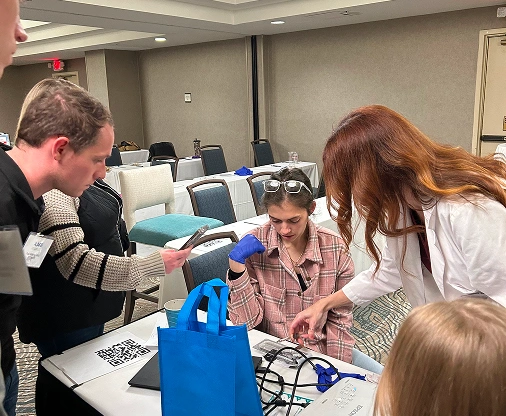
Each Botox requirement page is designed to help licensed medical professionals identify the questions they need to answer before beginning injectable training or providing treatment.
 Whether Dentists May Administer Botox
 Requirements For Physicians And Dermatologists
 Available AAFE Training Courses And Events
 Physician Assistant Supervision Or Delegation
 Whether Registered Nurses May Perform Injections
 Restrictions Affecting LPNs, LVNs, Estheticians, Medical Assistants, Or Other Professionals
 Required Written Orders, Protocols, Collaborative Agreements, Or Board Approvals
 Botox Training And Certification Expectations
These materials are related, but they are not interchangeable. Preparation method, consistency, treatment objective, tissue characteristics, and patient selection all affect which approach may be appropriate.
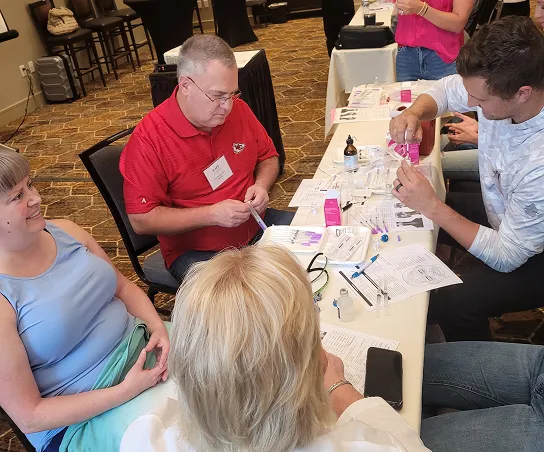
Botox certification is clinical education, not legal authorization. A training certificate does not create or expand a professional scope of practice. Your ability to administer Botox is based first on your underlying professional license and the laws or board rules that apply in your state. Training then develops the clinical competencies the treatment requires: facial anatomy, patient assessment, injection technique, safety protocols, and complication management.
Eligibility varies by license type and jurisdiction. Review the requirements that apply to your license and state, then choose training that includes both structured education and supervised, hands-on clinical experience, like AAFE’s Botox & Dermal Filler training courses.
This page and the linked state guides are provided for general informational and educational purposes only. They are not medical or legal advice and should not be used as a substitute for guidance from your licensing board, employer, supervising professional, malpractice carrier, or qualified healthcare attorney. Regulations and board guidance may change.
Don’t let uncertainty keep you from transforming your career. Submit your contact info and an Enrollment Advisor will reach out to discuss your options with you.
Yes. Each state establishes its own professional scope, prescribing, delegation, supervision, training, and documentation rules. Requirements can also vary between dentists, physicians, nurse practitioners, physician assistants, registered nurses, and other license types.