Summary
PRP and PRF are regenerative treatments made from a patient’s own blood, but they differ in preparation and growth-factor delivery. PRP uses platelet-rich plasma to support collagen production, tissue repair, and skin rejuvenation, while PRF contains platelets, white blood cells, and a fibrin matrix that may release growth factors more gradually. PRP is versatile and often combined with fillers or other aesthetic treatments, whereas PRF’s thicker consistency may make it useful for areas with wrinkles, scarring, or volume loss. The best option depends on the patient’s skin concerns, medical history, treatment goals, and the provider’s preparation and injection technique.
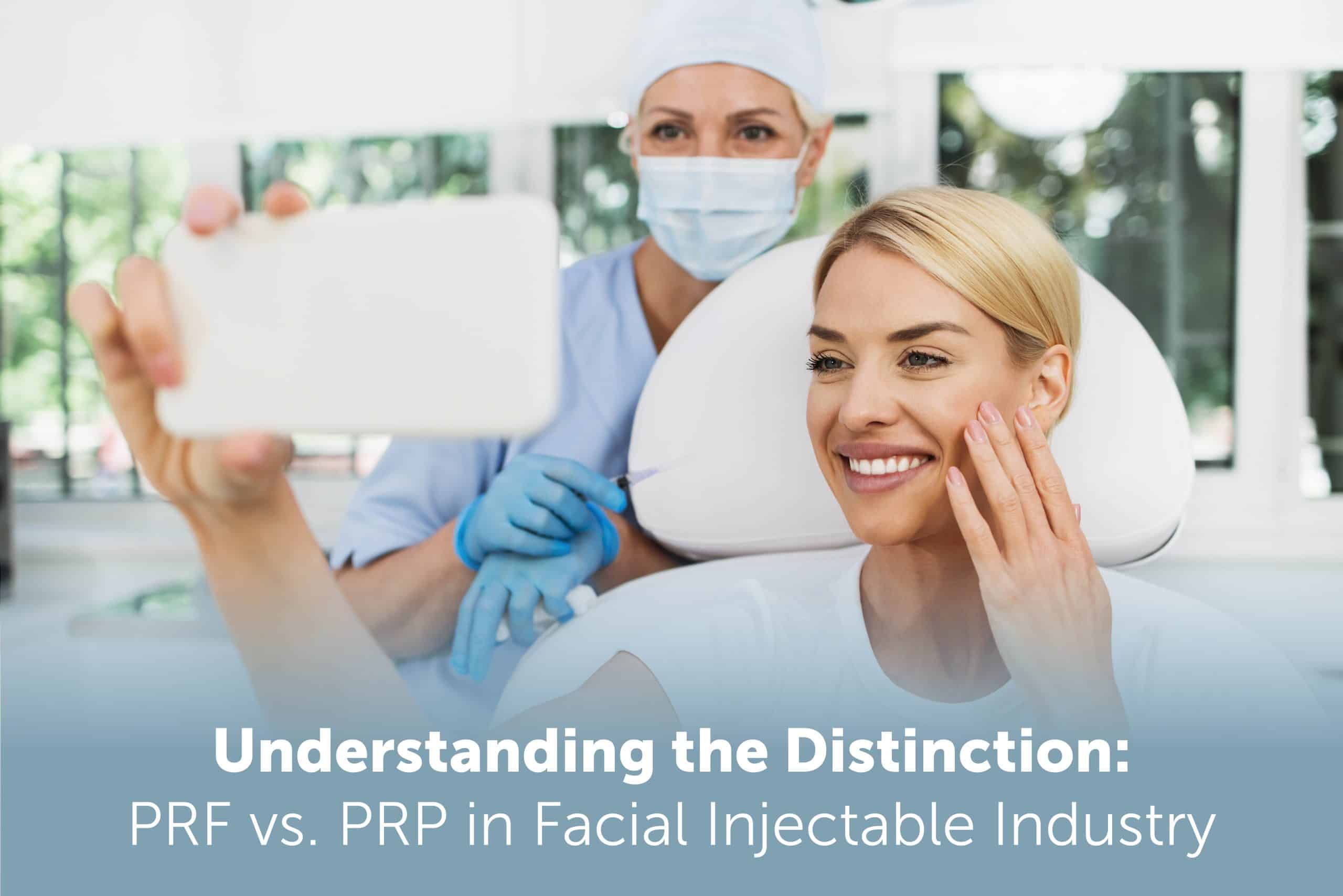
In the realm of facial aesthetics and rejuvenation, innovative treatments continue to emerge, offering patients a plethora of options to enhance their appearance and combat signs of aging. Among these treatments, Platelet-Rich Plasma (PRP) and Platelet-Rich Fibrin (PRF) have gained significant attention. While they share similarities, they also possess distinct characteristics that set them apart. In this comprehensive guide, we delve into the dissimilarities between PRF and PRP and explore their respective benefits within the facial injectable industry.
Unveiling the Differences: PRF vs. PRP
Platelet-Rich Plasma (PRP):
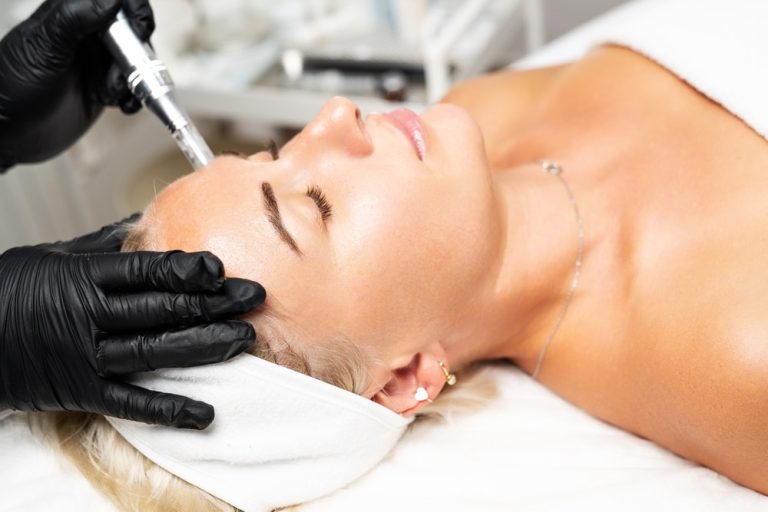
PRP therapy involves extracting a patient’s blood, processing it to isolate platelets, and then re-injecting the concentrated platelets into targeted areas of the face. These platelets contain growth factors that stimulate collagen production, promote tissue regeneration, and enhance skin rejuvenation. PRP has been widely utilized in various medical and cosmetic applications due to its regenerative properties.
Platelet-Rich Fibrin (PRF):
In contrast, Platelet-Rich Fibrin (PRF) represents a more advanced form of platelet therapy. PRF is derived from the patient’s blood using a specialized centrifugation process that separates platelets, white blood cells, and fibrin into a dense fibrin matrix. This matrix retains a higher concentration of platelets and growth factors compared to PRP, providing enhanced regenerative capabilities.
Benefits of PRP and PRF in Facial Injectable Industry
PRP Benefits:
- Collagen Stimulation: PRP contains growth factors like PDGF and VEGF, which stimulate collagen production, improving skin texture and elasticity.
- Natural Rejuvenation: Since PRP utilizes the patient’s blood, it minimizes the risk of adverse reactions or allergies, promoting natural-looking results.
- Versatility: PRP can be combined with other facial injectables such as hyaluronic acid fillers to augment their effects and prolong their duration.
PRF Benefits:
- Longer Lasting Results: The fibrin matrix in PRF provides sustained release of growth factors, prolonging the rejuvenating effects compared to PRP.
- Enhanced Tissue Regeneration: PRF’s thicker consistency and higher concentration of platelets facilitate better tissue repair and regeneration, making it ideal for treating deep wrinkles, scars, and volume loss.
- Reduced Inflammation: PRF’s leukocyte-rich composition helps modulate inflammation, leading to quicker recovery and minimal post-treatment downtime.
Integrating PRP and PRF into Facial Injectable Practices
Incorporating PRP and PRF into facial injectable practices can offer practitioners a competitive edge by providing patients with comprehensive treatment options tailored to their individual needs. By understanding the unique benefits of each therapy, practitioners can customize treatment plans to optimize results and patient satisfaction.
Key Considerations for Practitioners:
- Patient Assessment: Conduct thorough evaluations to determine the most suitable treatment approach based on the patient’s aesthetic goals, skin condition, and medical history.
- Combination Therapies: Explore synergistic effects by combining PRP or PRF with other facial injectables, such as neuromodulators or dermal fillers, to achieve comprehensive facial rejuvenation.
- Advanced Techniques: Stay abreast of the latest advancements in PRP and PRF technology, including variations in centrifugation protocols and injection techniques, to maximize efficacy and safety.
In conclusion, while PRP and PRF share common roots in platelet therapy, their unique compositions and properties make them distinct tools in the facial injectable industry. By leveraging the benefits of PRP and PRF, practitioners can offer patients personalized treatment solutions that deliver optimal results, paving the way for enhanced patient satisfaction and practice success in the ever-evolving landscape of facial aesthetics.
Start your facial esthetics journey by registering for the Botulinum Toxins & Dermal Fillers Level I Course!
Register Today!

Frequently Asked Questions
More Information