As patient demand for natural and regenerative treatments grows, the industry continues to seek science-backed solutions that promote skin health at the cellular level. Enter PDGF (Platelet-Derived Growth Factor)—a naturally occurring protein that's garnering attention in the facial injectable space, promising to bridge the gap between aesthetic enhancement and natural skin rejuvenation.
So, what exactly is PDGF, and why is it creating such a buzz? Let's take a closer look at what this breakthrough ingredient is, how it works, and what its entry into the cosmetic injectable market could mean for patients and practitioners alike.
What Is PDGF?
PDGF, or Platelet-Derived Growth Factor, is a protein found in platelets, the tiny cells in our blood responsible for healing and tissue regeneration. PDGF is one of several key growth factors released when platelets become activated in response to injury. These growth factors—including EGF (Epidermal Growth Factor), TGF (Transforming Growth Factor), and VEGF (Vascular Endothelial Growth Factor)—play crucial roles in wound healing, collagen production, and angiogenesis (the formation of new blood vessels).
PDGF, in particular, stimulates fibroblasts —the cells that produce collagen and elastin, which are essential for maintaining youthful, resilient skin. Historically, PDGF has been used in orthopedics, dental surgery, and wound care to accelerate healing and tissue repair. But only recently have researchers and aesthetic companies begun exploring its potential in cosmetic dermatology and injectables.
How PDGF Works in Aesthetic Medicine
In the context of facial rejuvenation, PDGF offers a biological approach to skin aging. Unlike dermal fillers that add volume or neuromodulators that relax muscles, PDGF aims to stimulate the body's natural regenerative processes.
- Cellular Activation: PDGF binds to specific receptors on fibroblasts and other dermal cells, triggering a cascade of cellular signals.
- Collagen and ECM Production: These signals prompt the fibroblasts to increase production of collagen, elastin, and extracellular matrix components—all key elements for firm, hydrated, and youthful skin.
- Tissue Remodeling: Over time, the skin naturally remodels itself, resulting in improved texture, increased elasticity, and a healthier skin tone.
- Vascular Support: PDGF also helps improve blood flow by promoting angiogenesis, which may enhance the skin's overall glow and healing capacity.
PDGF vs. PRP: What's the Difference?
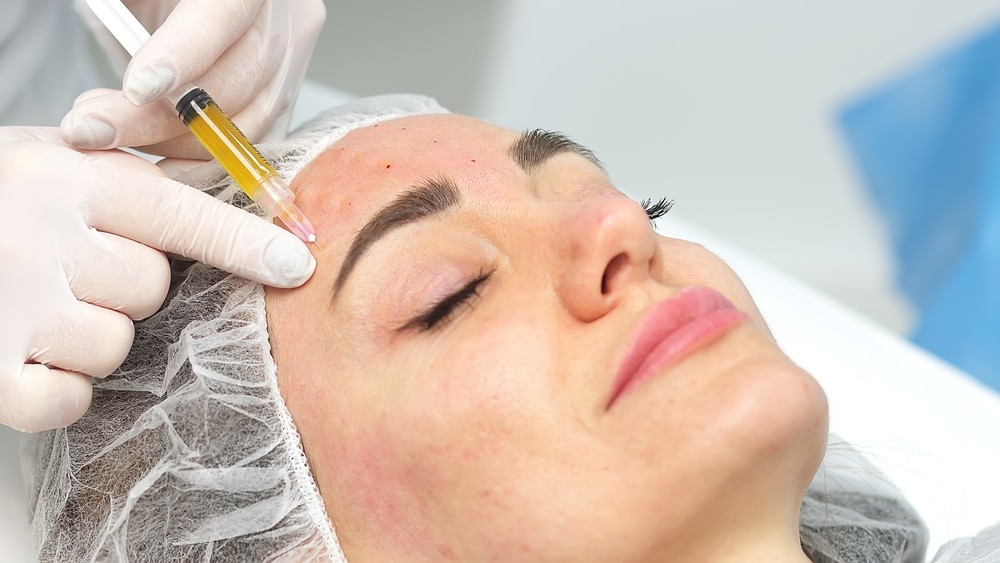
If this all sounds a bit like PRP (Platelet-Rich Plasma), you're not wrong. PRP treatments, which have been popular for years in both sports medicine and cosmetic procedures (like the "vampire facial"), also rely on growth factors released by activated platelets. However, PRP involves centrifuging the patient's blood to extract plasma rich in these growth factors.
The key difference is that PDGF in injectable form is more targeted and concentrated, offering a standardized dosage and predictable performance. PRP can vary from patient to patient, depending on their health, platelet count, and the method of sample processing. With PDGF injectables, clinicians can control dosing, customize treatments, and avoid the variability inherent in autologous blood products.
The Arrival of PDGF Injectables
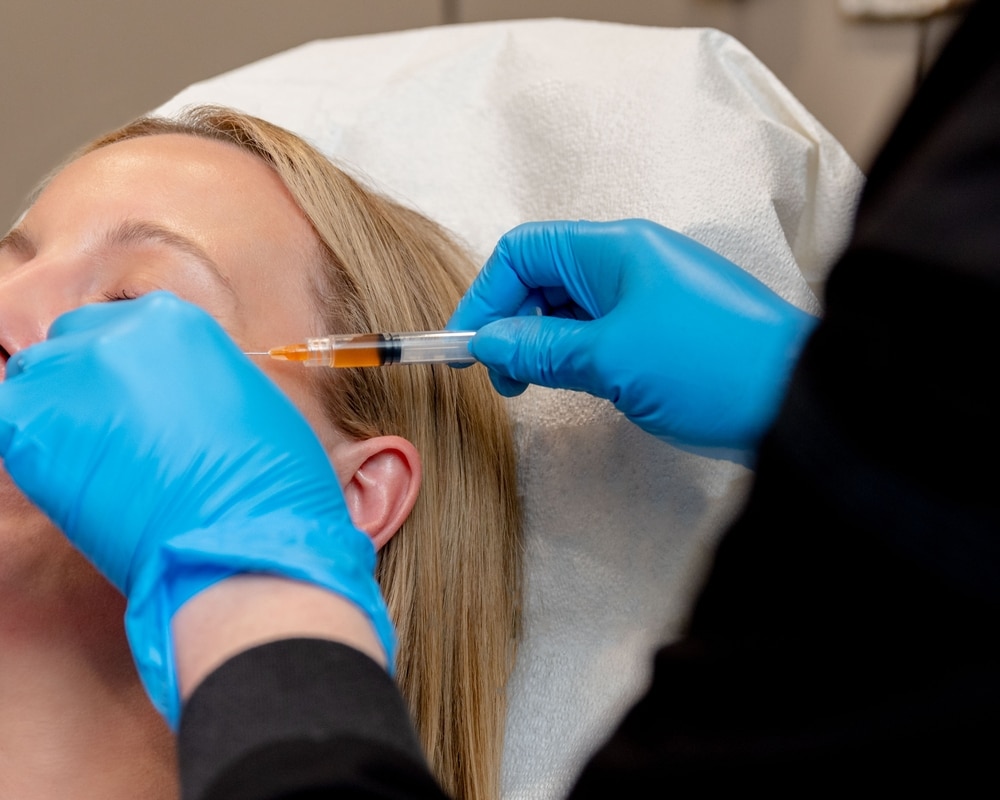
As of mid-2025, PDGF-based injectables are beginning to enter clinical practice, particularly in high-end aesthetic clinics and medical spas focused on regenerative treatments. These products may be formulated as:
- Standalone PDGF injectables (often as a serum or gel-based vehicle)
- Combination therapies, including hyaluronic acid or other growth factors
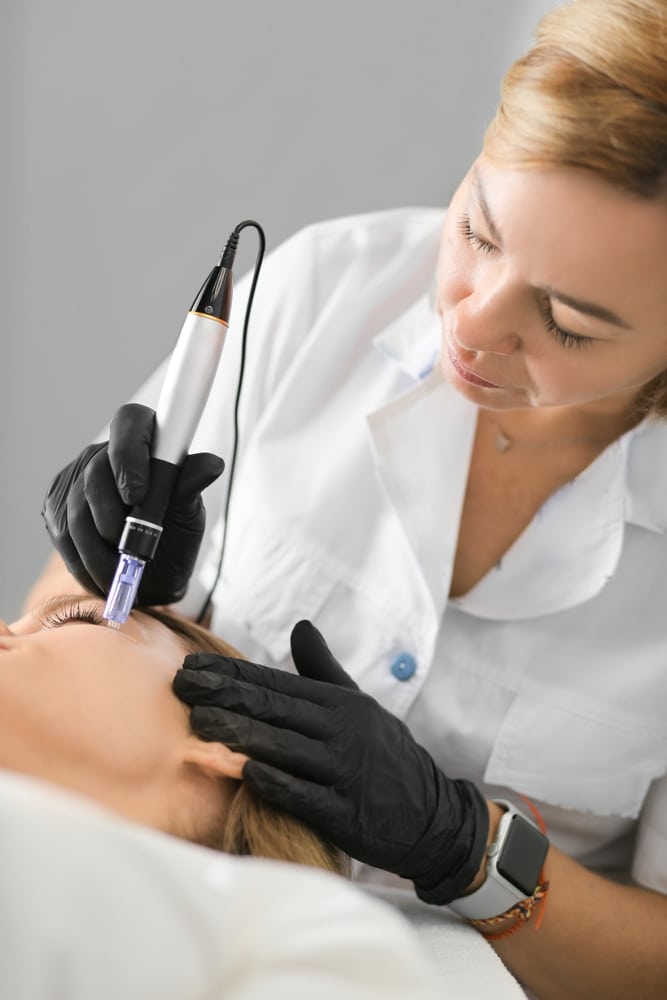
- Adjuncts to microneedling, lasers, or RF treatments, where PDGF is applied post-procedure to enhance healing and results
Clinical studies are still in early phases, but initial results have been promising. Patients report improvements in skin texture, fine lines, and overall skin vitality, often with fewer side effects than traditional fillers or chemical peels. Because PDGF is biologically active but not volumizing, it is especially appealing for patients seeking subtle, restorative changes rather than dramatic alterations.
Potential Applications of PDGF in Aesthetics
Here are some of the key ways PDGF may be used in cosmetic dermatology:
- Fine lines and wrinkles: Stimulating collagen in superficial layers without "overfilling"
- Acne scars: Promoting tissue remodeling and smoother texture
- Sun-damaged or aged skin: Improving tone, elasticity, and hydration
- Post-procedure recovery: Enhancing healing following lasers, microneedling, or radiofrequency
- Preventative aging: Encouraging skin health in patients in their 20s or 30s
Benefits of PDGF-Based Injectables
- Natural Regeneration: Unlike fillers, which add volume, PDGF helps skin heal and regenerate itself.
- Minimal Downtime: Since PDGF does not rely on volumizing agents or neurotoxins, it is well-tolerated with low risk of bruising or swelling.
- Long-Term Skin Health: With continued use, PDGF may help strengthen the skin's structural integrity over time.
- Customizable: Can be combined with other modalities for a tailored rejuvenation plan.
Challenges and Considerations
Despite its promise, PDGF in facial injectables is still in its early stages of development. Some challenges include:
- Regulatory approvals: In the U.S., PDGF-based products must meet FDA standards, which can be a time-consuming process.
- Cost: As a high-tech biologic, PDGF treatments may be more expensive than traditional fillers.
- Patient education: Since results develop gradually, patients may require guidance to understand the distinction between regenerative and volumizing treatments.
The Future of Regenerative Aesthetics
PDGF represents a broader trend in aesthetic medicine: a shift from enhancement to regeneration. As patients become more interested in holistic wellness and "aging well," biologics like PDGF offer a compelling solution. Rather than simply filling in wrinkles or freezing movement, PDGF supports the body's healing abilities, offering a future where cosmetic treatments also contribute to long-term skin health.
As research continues and more products become available, we'll likely see PDGF integrated into treatment protocols alongside microneedling, PRF, and even traditional injectables. For providers looking to stay ahead of the curve, now is the time to explore PDGF and its potential.
Final Thoughts on PDGF injections
The introduction of PDGF injectables marks a significant development in the facial aesthetics industry. By blending science, biology, and aesthetics, these treatments may soon redefine how we perceive aging—and how we approach it. If you're a provider or patient interested in regenerative skin solutions, PDGF is a name to keep an eye on.