Summary
Dermatologists can commonly inject Botox because they are physicians trained in skin health, facial aging, anatomy, and cosmetic treatments, but patients should still evaluate the individual provider’s injection experience, product sourcing, safety protocols, and cosmetic judgment. Botox may be used for cosmetic concerns such as frown lines, forehead lines, crow’s feet, neck bands, and masseter-related issues, as well as approved medical conditions such as severe underarm sweating. Other licensed professionals may also administer Botox depending on state scope and supervision rules, so the safest choice is a properly trained injector who uses legitimate products, explains risks clearly, customizes treatment to the patient’s anatomy, and provides reliable follow-up care.
When patients search for Botox, the next question usually comes fast: who should actually hold the syringe? A dermatologist may seem like an obvious choice, but provider selection still deserves real thought. License, training, product safety, facial anatomy, and cosmetic judgment all affect the final result.
Can a Dermatologist Inject Botox?
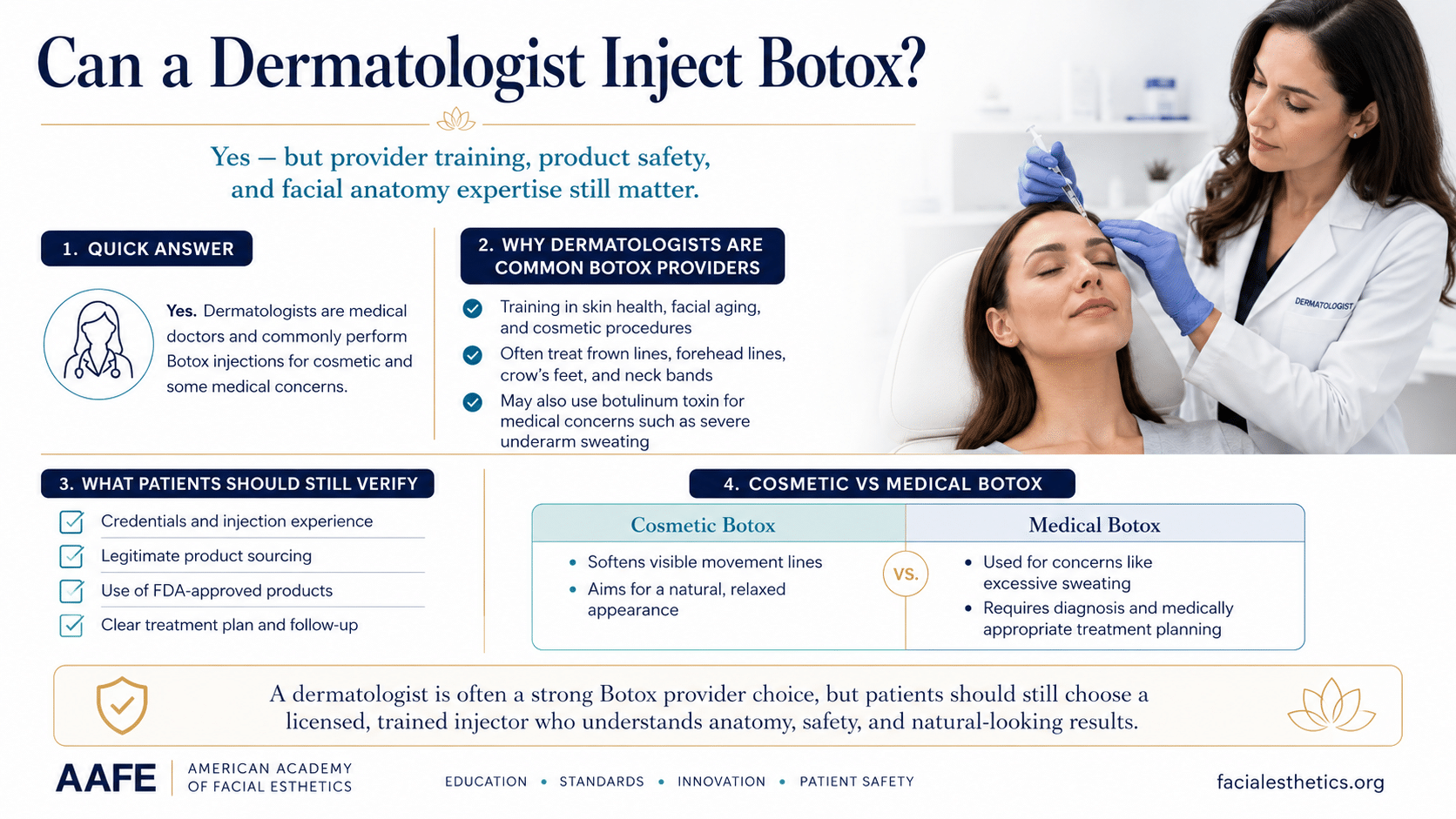
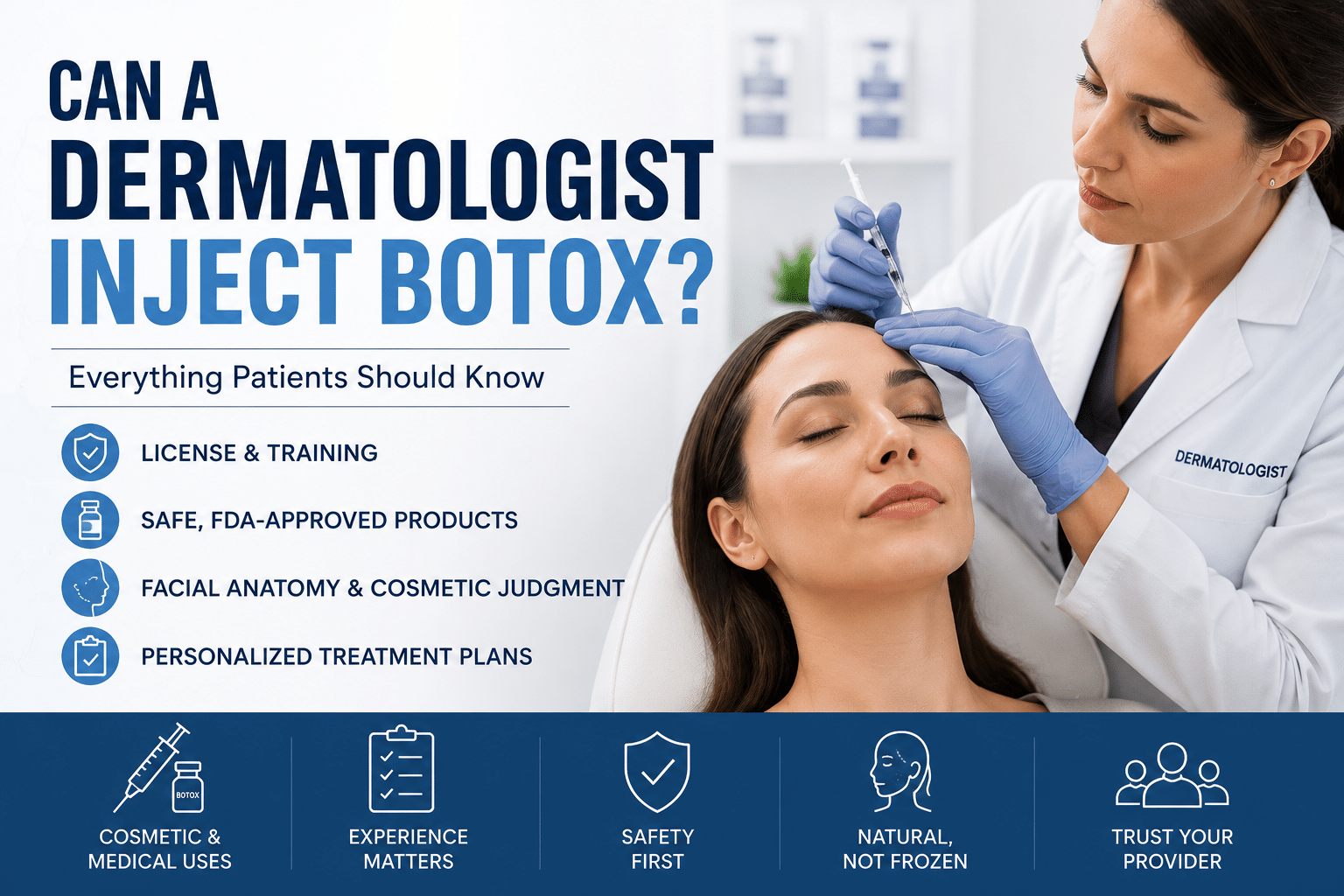
Yes, a dermatologist can commonly inject Botox. Dermatologists are medical doctors trained in dermatology, skin health, facial aging, and many cosmetic procedures. Many offer Botox injections for frown lines, forehead lines, crow’s feet, neck bands, and other cosmetic concerns.
Some dermatologists also use botulinum toxin for medical concerns, such as severe underarm sweating. The Botox prescribing information lists severe primary axillary hyperhidrosis as an approved therapeutic use when topical agents do not work well enough.
Still, patients should verify credentials, experience, product sourcing, and whether FDA-approved products are being used. “Dermatologist” is a strong starting point, but it does not replace smart provider vetting.
Why Dermatologists Are Common Botox Providers
Dermatologists work with skin, aging patterns, facial movement, scars, pigment concerns, acne history, rosacea, and texture changes every day. That makes Botox treatments a natural part of many cosmetic dermatology practices.
A dermatologist can look at wrinkles and facial movement while also thinking about skin quality. For example, a patient with forehead lines, sun damage, acne scarring, and redness may need more than one treatment plan. Botox may soften movement lines, while laser treatments, chemical peels, dermal fillers, or skincare may address other cosmetic goals.
That broader view can help when patients want a youthful appearance but do not want a frozen or overtreated look. The best providers build customized treatment plans around movement, skin condition, age, anatomy, and patient goals.
Cosmetic Botox vs Medical Botox
Cosmetic and medical Botox use the same core medication idea, but the clinical goal changes the whole visit. For cosmetic Botox, the provider is usually trying to soften visible movement lines while keeping facial expression natural. For medical Botox, the visit often starts with a diagnosis, symptom pattern, prior treatments, and a more structured medical reason for using botulinum toxin.
| Botox Use | Common Reasons | What Patients Should Know |
| Cosmetic Botox | Frown lines, forehead lines, crow’s feet, neck bands, facial balancing | The goal is usually softer movement and a more relaxed appearance, not a totally motionless face. |
| Medical Botox | Excessive sweating, chronic migraine, muscle-related conditions, depending on indication | Medical uses need proper diagnosis, documentation, and dosing that matches the approved or clinically appropriate use. |
| Combined treatment planning | A patient may have cosmetic goals plus muscle tension, sweating, or other concerns | A qualified provider should separate each concern and explain what Botox can realistically address. |
Is a Dermatologist Better Than a Med Spa for Botox?
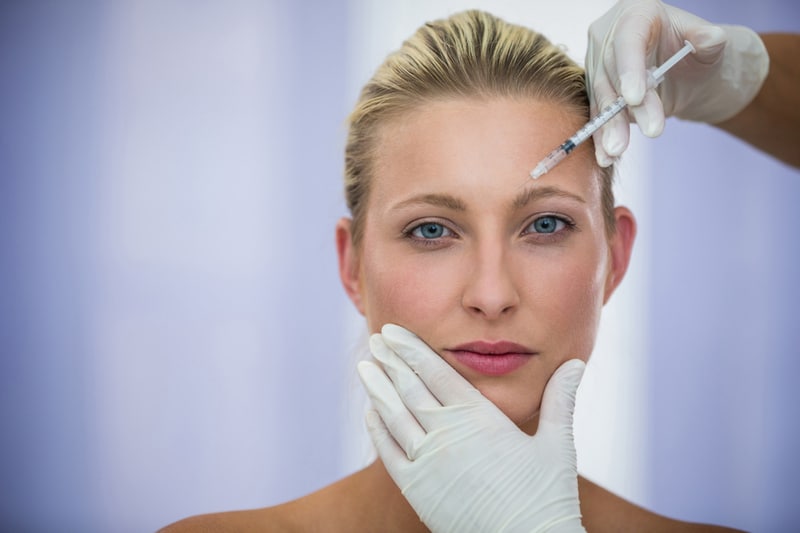
A dermatologist is not automatically better than every med spa injector. Some med spas have excellent licensed providers, strong protocols, and careful supervision. Some dermatologists are highly experienced with cosmetic injectables, while others may focus more on medical dermatology.
The better question is this: who is the right Botox provider for this specific patient? Look for a licensed, trained, experienced injector who uses legitimate products, explains risks clearly, and builds personalized treatment plans.
This matters because product safety and setting are real issues. In 2024, the CDC reported 22 people in 11 states with adverse effects after counterfeit or mishandled botulinum toxin injections, including cases linked to unlicensed or untrained individuals and non-healthcare settings such as homes or spas.
Patients should avoid bargain injections, home injections, Botox parties, and unclear provider credentials. A low Botox price does not help if the product, dose, placement, or emergency process is unsafe.
| Provider Factor | Why It Matters |
| Medical license | Confirms the injector has legal authority or works under the required supervision rules. |
| Injection training | Supports safer dosing, placement, facial balance, and complication management. |
| Product sourcing | Reduces the risk of counterfeit, mishandled, or unapproved products. |
| Emergency protocols | Matters if a patient develops an adverse reaction or unexpected result. |
| Cosmetic judgment | Helps the provider balance patient goals with anatomy, movement, and realistic outcomes. |
| Follow-up process | Gives patients a clear plan if they have asymmetry, heaviness, bruising, or concerns. |
What Areas Can Dermatologists Treat With Botox?
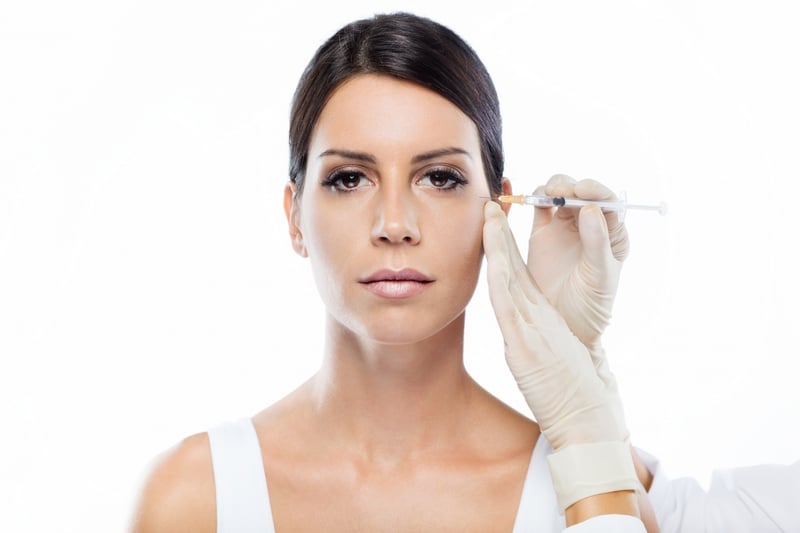
Dermatologists commonly use Botox in areas where repeated muscle movement creates lines, tension, or sweating problems. The exact treatment plan depends on the patient’s anatomy, facial movement, goals, and whether the concern is cosmetic or medical.
- Frown lines: The “11” lines between the brows are a common Botox area because they come from repeated frowning or squinting.
- Forehead lines: Horizontal forehead lines can respond well, but dosing has to protect normal brow position.
- Crow’s feet: Lines around the outer eyes often soften with careful treatment that keeps the smile looking natural.
- Bunny lines: Nose lines that show during smiling or squinting may be treated when they bother the patient.
- Chin dimpling: A pebbled chin can improve when excess mentalis muscle activity is part of the problem.
- Neck bands: Botox may help soften vertical neck bands caused by platysma muscle activity, when the patient is a good candidate.
- Excessive sweating: Underarm sweating may be treated with Botox when topical treatments have not worked well enough.
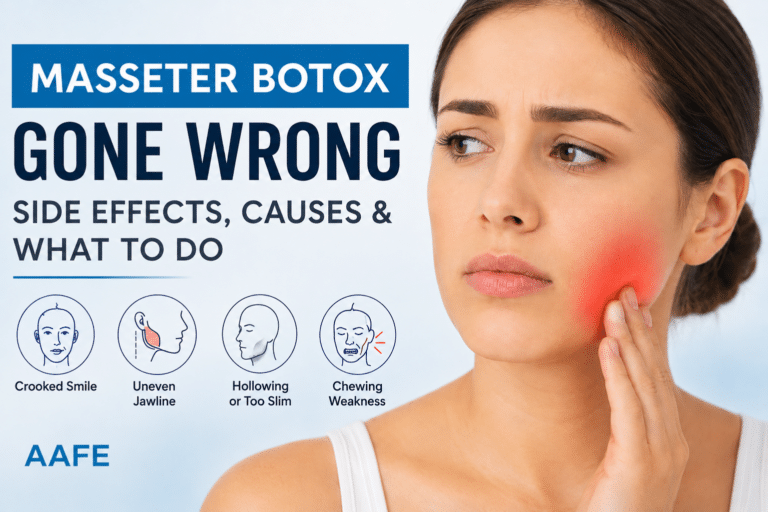
- Jawline or masseter concerns: Jawline slimming, clenching, or masseter-related concerns need careful case selection and provider training.
Can Other Providers Inject Botox Too?
Dermatologists are not the only providers who may perform Botox. Depending on state rules, Botox may also be performed by other physicians, nurse practitioners, physician assistants, registered nurses under proper delegation, and dentists in some states or clinical situations.
Scope rules vary because Botox is a prescription medical treatment. The provider must be allowed to legally administer Botox, and the practice must follow state law, supervision rules, documentation requirements, and product safety standards.
| Provider | Botox Eligibility |
| Dermatologist | Commonly eligible as a physician, especially in cosmetic dermatology settings. |
| Plastic surgeon | Commonly eligible as a physician, with added experience in facial structure and surgical treatments. |
| Board certified plastic surgeons | Often offer Botox, dermal fillers, plastic surgery, and other cosmetic treatments together. |
| Cosmetic surgeons | Eligibility depends on medical license, training, state rules, and practice setting. |
| Nurse practitioner | Often eligible, but scope and prescribing authority vary by state. |
| Physician assistant | Often eligible under physician collaboration or supervision rules, depending on state law. |
| Registered nurse | Sometimes allowed under delegation or supervision rules, but usually cannot prescribe independently. |
| Dentist | Allowed in many states and situations, especially where scope permits facial esthetics or TMJ-related use. Confirm eligibility with your state dental board. |
| Esthetician | An esthetician license alone usually does not allow Botox injections. |
Disclaimer: This is educational only and not legal advice. Botox rules vary by state, license type, procedure, supervision model, and practice setting.
Do Dermatologists Need Botox Training?
Dermatologists are medical doctors, and many are eligible to perform Botox. Still, eligibility and hands-on confidence are different things. Botox training helps providers refine facial anatomy, injection technique, product selection, dosing judgment, complication awareness, documentation, and patient communication.
That matters because Botox is visible. A few units in the wrong place can affect brow position, smile balance, eyelid heaviness, or patient satisfaction. The best injectors understand anatomy, but they also know how to listen to goals, assess movement, and avoid overtreatment.
For licensed providers who want structured injection training, AAFE teaches Botox, dermal fillers, PDO threads, TMJ treatment, facial pain therapy, and other non-surgical facial esthetic procedures. Training is built for dentists, nurses, NPs, physicians, PAs, and other eligible providers who want practical skills they can bring back to a real office.
AAFE’s Botulinum Toxins & Dermal Fillers Level I training includes live patient care, anatomy, diagnosis, treatment planning, proper dosing, sterile technique, and complication management. Providers who want deeper anatomy work can also review AAFE’s Injection Anatomy, Inject and Dissect Cadaver Lab Training Course.
Licensed medical professional? Explore AAFE’s hands-on Botox and facial esthetics training to build practical injection confidence and bring safer, more complete facial esthetic care into your practice.

Frequently Asked Questions
More Information
Adverse Effects Linked to Counterfeit or Mishandled Botulinum Toxin Injections
CDC health advisory covering counterfeit products, injections by unlicensed or untrained individuals, adverse effects, botulism symptoms, emergency response, and safe administration requirements.
CDC botulinum toxin injection safety advisory
BOTOX Prescribing Information
Official prescribing information covering approved therapeutic uses of onabotulinumtoxinA, dosage and administration, contraindications, adverse reactions, drug interactions, and the boxed warning regarding the distant spread of toxin effects.