Summary
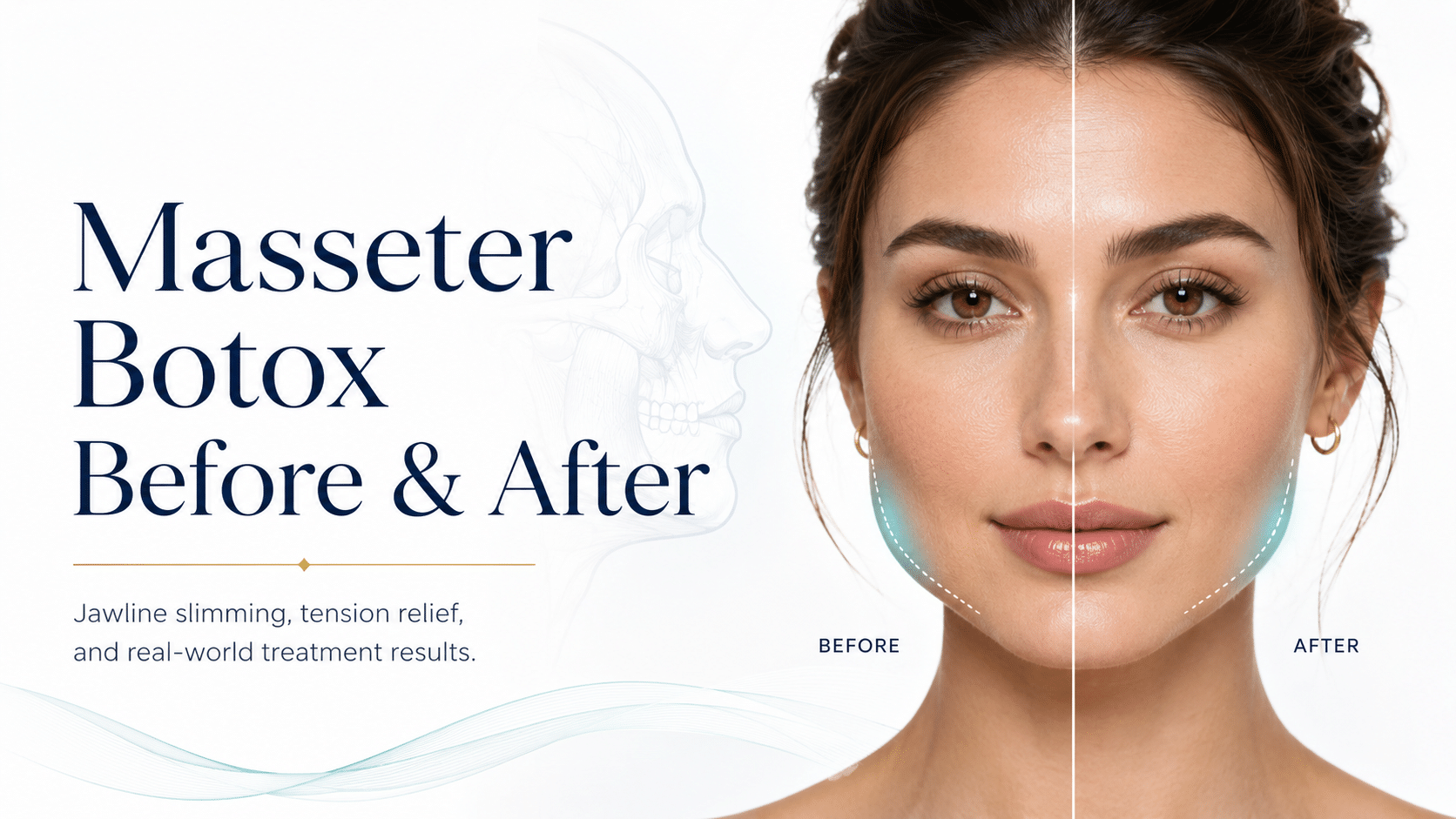
Masseter Botox before-and-after results may show a slimmer, softer jawline, but the treatment can also reduce clenching, jaw tension, morning soreness, headaches, and TMJ-related discomfort. Visible contour changes usually develop gradually over several weeks and are most noticeable when lower-face width comes from enlarged masseter muscles rather than bone or fat. Results often last around three to four months and depend on muscle strength, dose, placement, habits, and patient anatomy. Because poor technique can affect chewing or smile balance, the best outcomes come from careful assessment and treatment by a provider trained in facial anatomy, dosing, and lower-face injection safety.
A lot of people come in thinking they only want a slimmer jawline. Then, as injectors, we ask a few more questions, and the bigger picture shows up. They have jaw tension, teeth grinding, TMJ pain, or everyday headaches.
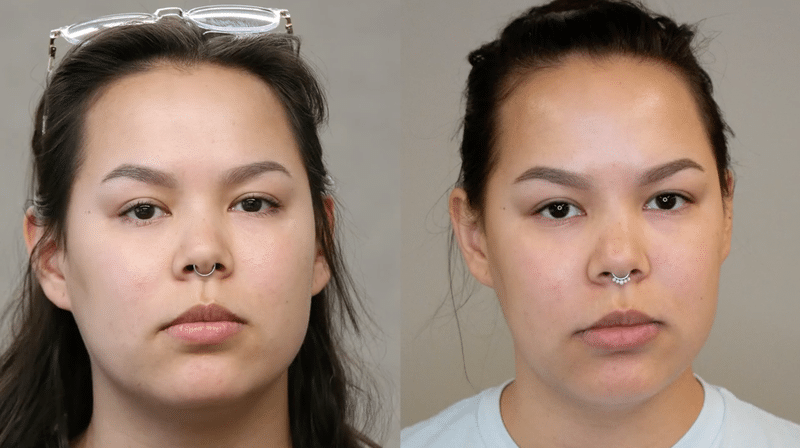
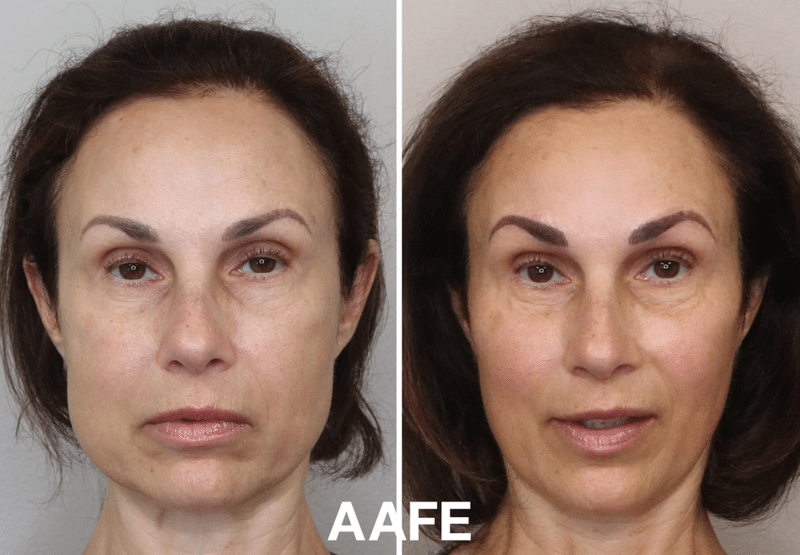
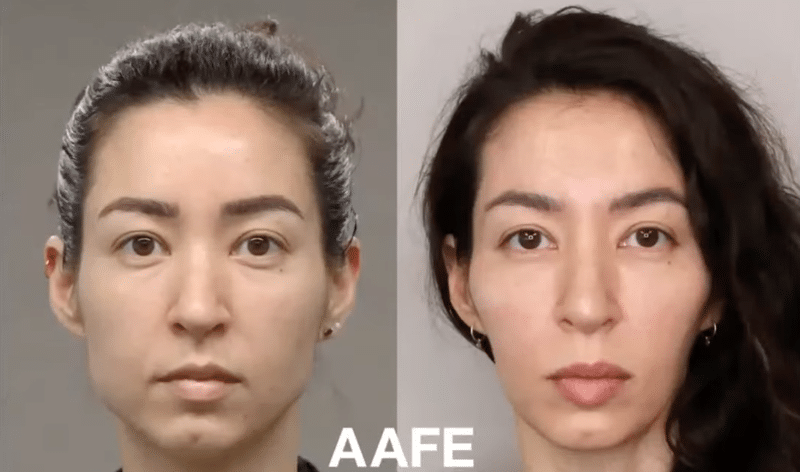
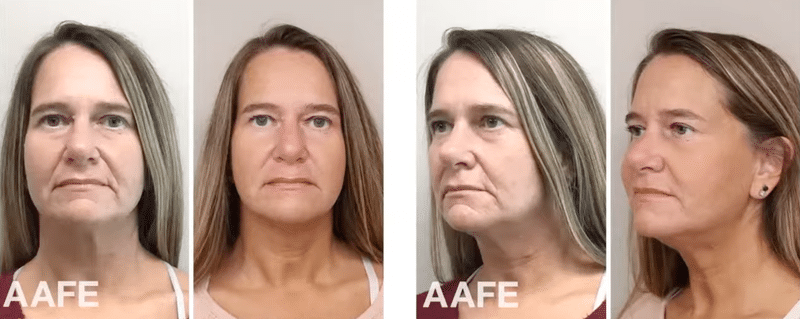
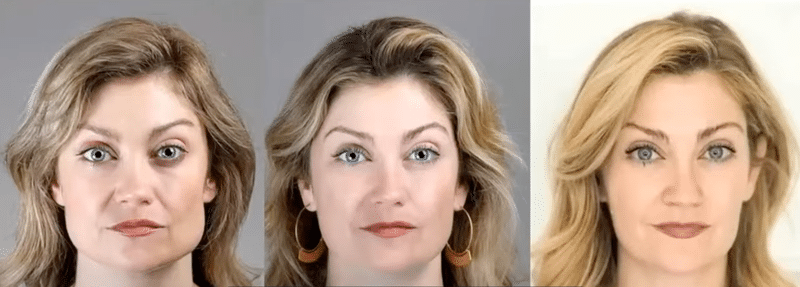
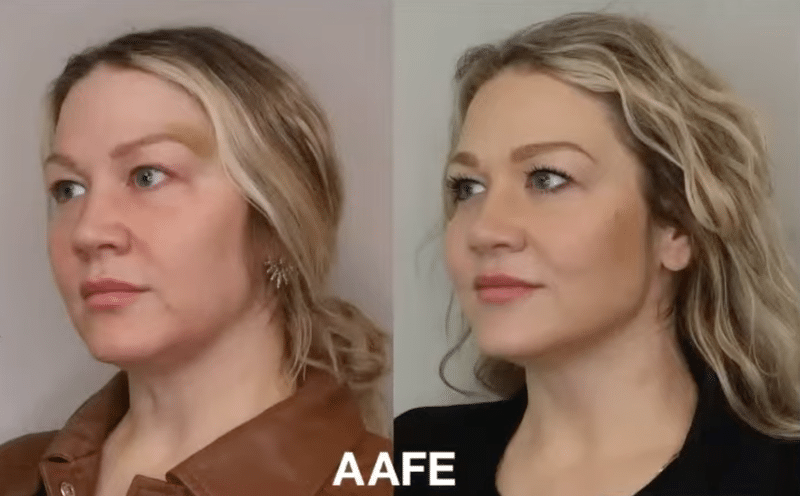
That is why masseter Botox before and after results can be so useful to review. The photos may show changes in facial contour, but the patient’s symptoms can matter just as much. In many cases, we are evaluating the treatment both esthetically and therapeutically, especially when jaw tension, teeth grinding, or TMJ-related discomfort are part of the concern.
Before-and-After Gallery of Masseter Botox
Below, we are sharing masseter Botox before and after images that show how effective these results can be. In the right patient, we may see a narrower lower face, better facial balance, and less bulk through the jaw over time. We may also hear that the jaw feels less tight, chewing feels easier, and morning tension is less intense.
Timeline of Results of Masseter Botox
This is not an instant jaw reduction treatment. The masseter muscle has to relax first, then gradually shrink over the span of a couple weeks. This treatment often takes more than one treatment in order to get optimal results.
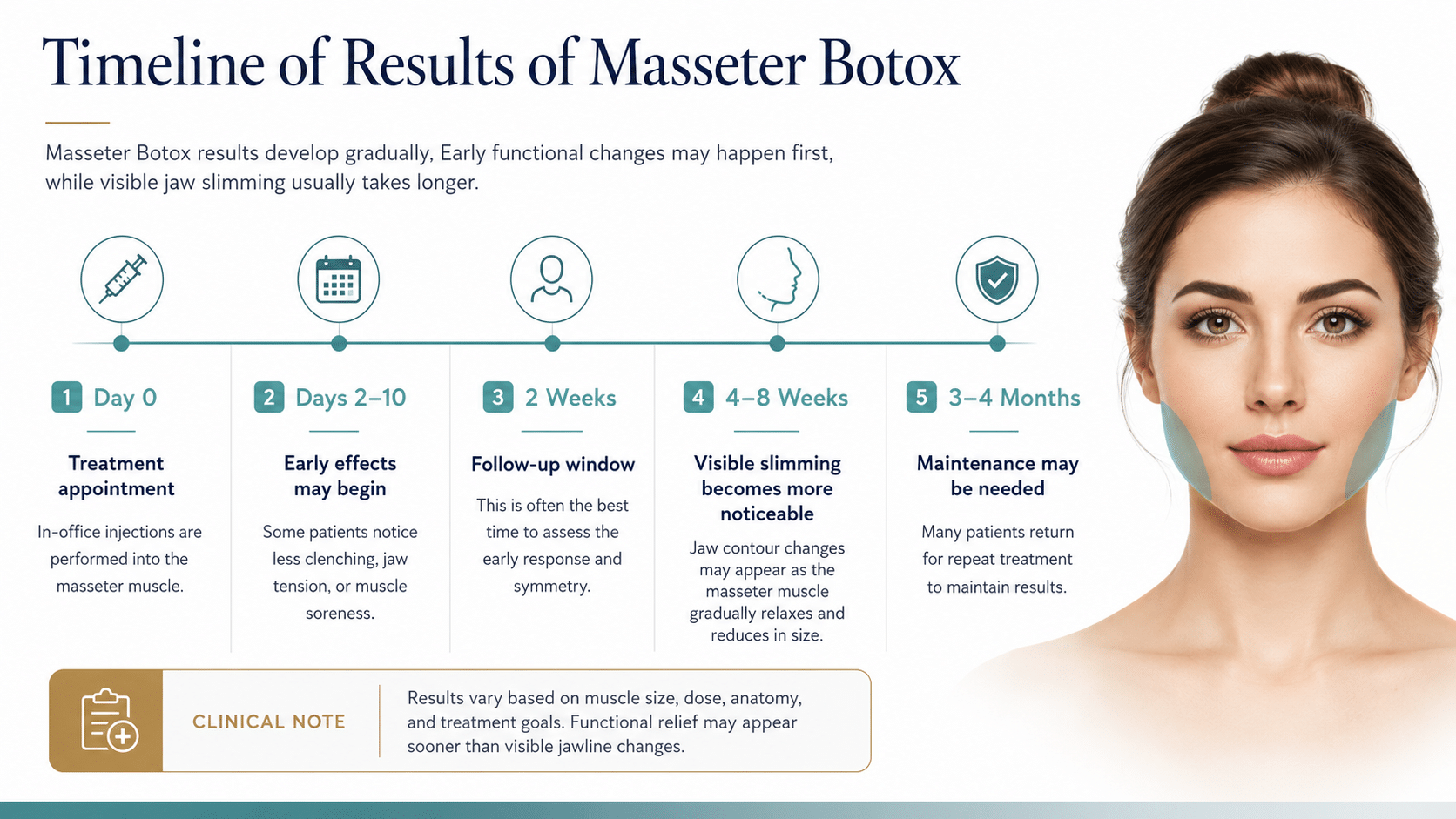
Week 1
Jaw tension may start easing. Patients with jaw clenching or teeth grinding often notice the muscle feels less tight first.
Week 3
The jaw may start to feel lighter. Some patients notice less pressure when chewing, and the strong jaw muscles may not feel as active.
Month 2
This is when visible slimming often becomes easier to see in photos. The lower face may look softer, especially in patients with enlarged masseter muscles.
Month 3
This is often when results look most settled. Esthetic changes and therapeutic benefits are easier to judge together, including jawline slimming, less tension, and better comfort. Results often last about three to four months, though some patients maintain the effect longer with consistent treatment and reduced clenching habits.
Patient Stories & Testimonials
Before-and-after photos show the visible change, but patient stories explain why masseter treatment is often both esthetic and therapeutic.
In one AAFE treatment discussion, Donna described years of constant headaches and migraines, along with several treatments that never fully addressed the problem. What stood out to her was the more specific muscle assessment during treatment. She said it felt like something had finally been released after years of pain.
Another patient, Christy, described weekly headaches, jaw tension, and the strain of working as a hygienist while pushing through discomfort. Her response focused less on appearance and more on relief, hope, and finally targeting the specific muscle groups involved.
Faculty member Elizabeth Williams, RN, explains that when we mark the masseter, we stay in the bulk of the muscle and stay clear of the risorius because diffusion in the wrong area can affect the patient’s smile.
But what providers say after training at AAFE often says even more about what leads to better results in practice.
- Dr. Shanee Porter, who took Botulinum Toxin Level I, said, “Excellent training! The videos were extremely helpful, and I felt well prepared for the hands-on portion of the course. The information was practical and full of clinical pearls. All of the injectors were very knowledgeable. I walked away feeling very confident!”
- Andrea Calleros, RN, shared that AAFE was “very thorough with anatomy and skills demonstration,” adding that the course was not rushed and gave her a stronger learning experience than other certification courses she had taken.
- Andrew Cohen, DMD, said the training gave him “the confidence and skill to implement immediately” in his practice.
- Dr. Shawn C. Silva, DMD, noted that the online learning was a helpful resource, while the live patient portion helped build confidence in treatments he could take back to practice.
- Danielle Lena, RN, said the Botox and dermal fillers Level I course was comprehensive, and that the hands-on training helped build greater confidence in technique.
Realistic Expectations & Factors Influencing Results of Masseter Botox
Masseter Botox does not erase your jawline, and it does not change bone. What it can do is reduce the size of an enlarged masseter muscle over time.
That means the best results usually happen in patients whose width comes from muscle hypertrophy, not from bone structure, fat, or a naturally broad facial structure.
Results also vary for practical reasons. Genetics matter. So do chewing habits, jaw clenching, dose, injection placement, and how strong the muscle is to begin with.
Will Masseter Botox Work for Your Face Type?
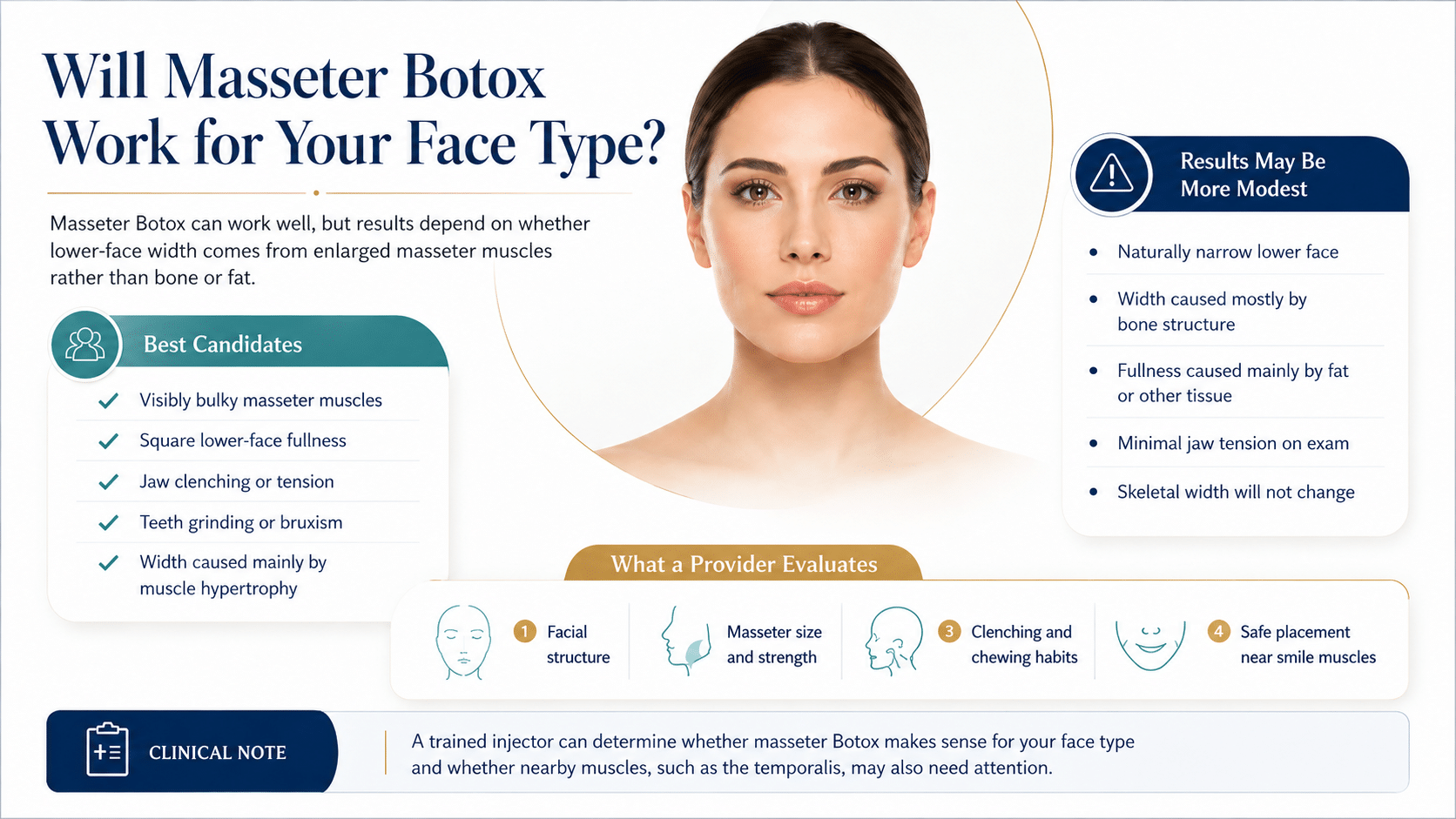
It can, but not in the same way for every patient. In order to know for certain, it is important to get consulted by a trained aesthetic provider.
As injectors, we tend to see the clearest slimming in patients with visibly bulky masseter muscles, square lower-face fullness, and strong jaw tension on exam.
If the face already has a narrow lower third or the width is mostly skeletal, the visible change may be modest.
This is also where technique starts to separate average results from really thoughtful treatment. The masseter may look easy to find, but treating it well takes more than just placing toxin into a large muscle.
Providers need to stay in the right part of the masseter, keep a safe distance from nearby muscles that affect the smile, and think about how the rest of the face may respond.
In some patients, a few injection points make more sense than one. In others, the temporalis may also need attention so the patient does not trade jaw tension for headaches.
Conclusion
Masseter Botox before and after results can show a softer jawline, better facial balance, and less lower-face bulk over time. But the photos do not tell the whole story.
For many patients, the bigger change is how the jaw feels. Less clenching, less morning tension, fewer headaches, and easier chewing can matter just as much as the visible slimming.
The best results usually happen when the provider looks at the full picture, including facial structure, masseter size, jaw tension, grinding habits, and treatment goals. That is why a careful consultation is the right first step before deciding whether masseter Botox makes sense.
For Providers Considering Masseter Botox Training
Masseter Botox can be a valuable treatment to offer, but it requires more than knowing where the masseter muscle is. Good outcomes depend on facial anatomy, dosing, injection placement, patient assessment, and understanding how nearby muscles can affect the smile.
At AAFE, we teach masseter Botox through anatomy, safety, and live patient training, so providers can build real clinical confidence before adding the treatment to practice. Our Level I training is a strong starting point, while Magical Masseter gives a deeper look at dosing, placement, and common mistakes that can affect results.

Frequently Asked Questions
More Information